When Theory Meets Practice: The Cornell Family Ownership Case Competition (2026/02/13-02/14)
115/02/13-02/14
When Theory Meets Practice: The Cornell Family Ownership Case Competition
Entering the Decision-Making Arena of Global Family Businesses
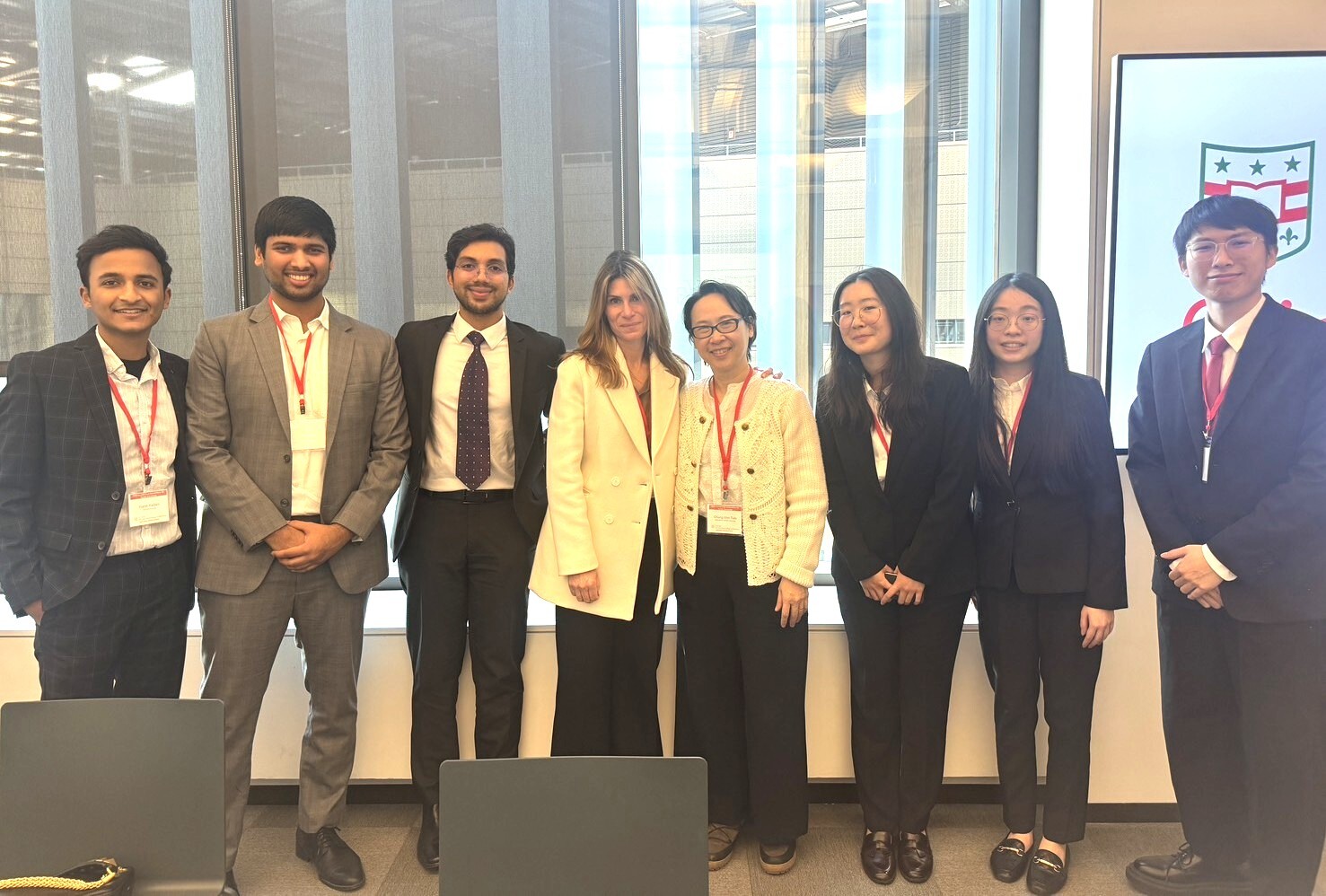
In February 2026, the Center for Strategy and Human Capital Research at National Sun Yat-sen University, led by Professor Chiung-Wen Tsao (Professor, Department of Business Administration, National University of Tainan; Research Fellow of the Center), brought a student team to New York to participate in the Cornell Case Competition for Family Ownership, hosted by the Cornell SC Johnson College of Business.
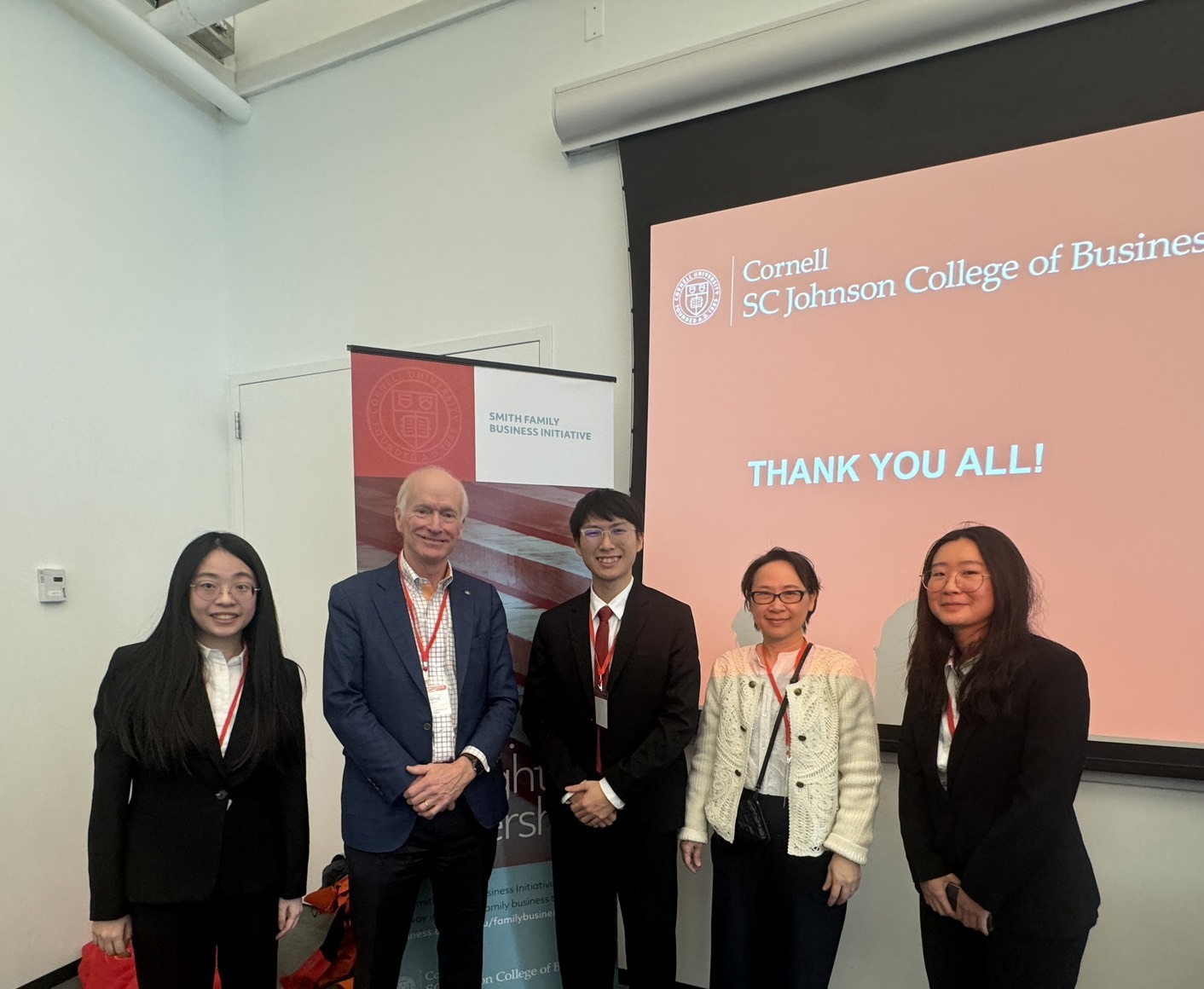
The participating students included Ph.D. student Yen-Chu Lai from the Institute of Human Resource Management, as well as GHRM master’s students Ling-Yu Yen and Shin-Dih Lin. Representing the Center, the team competed alongside peers from leading business schools in the United States, France, and other countries.
This competition is a practice-oriented case competition designed for graduate business students, emphasizing integrative analytical capabilities in areas such as business decision-making, governance mechanisms, and intergenerational succession in family firms. Unlike traditional case competitions based on pre-existing teaching materials, Cornell develops its own real-world business cases and invites business owners and family members to serve as judges and interact directly with participants. This allows students to engage with real decision-makers and respond to authentic business challenges.
Navigating Uncertainty: Developing Strategic and Governance Capabilities
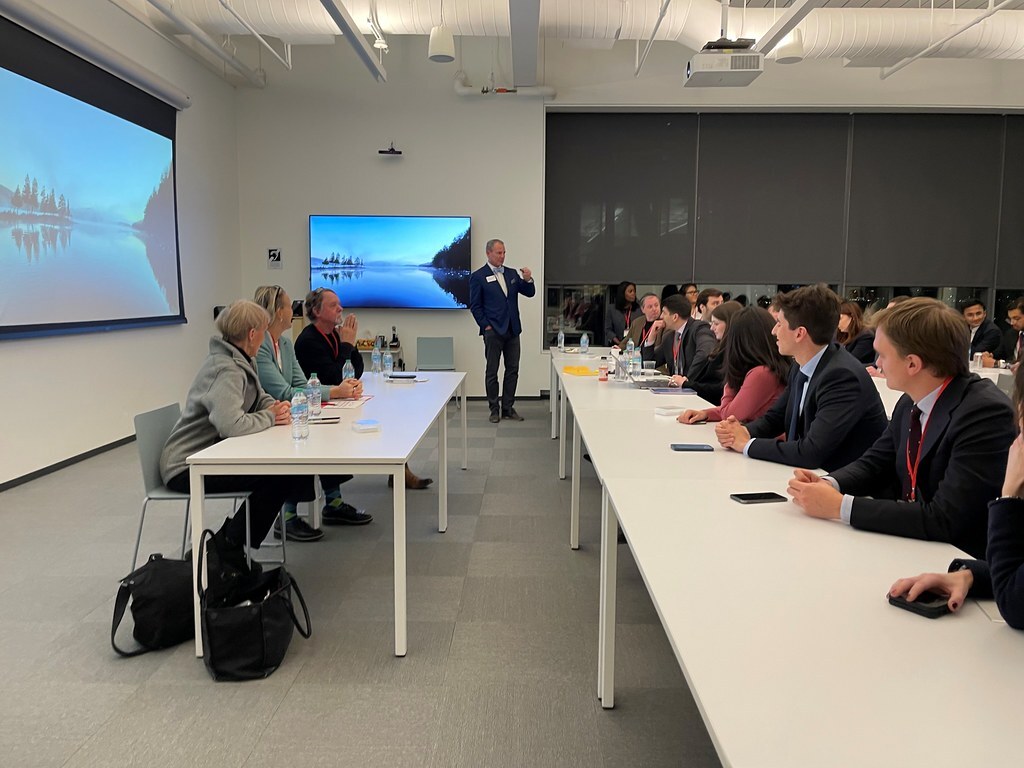
The competition adopts a multi-stage format. One week prior to the event, teams are required to analyze a comprehensive case (Case A), covering company history, current operations, and core problem identification. During the competition, teams present their analysis and respond to judges’ questions.
Subsequently, additional case information (Case B) is released in real time, requiring participants to rapidly integrate new insights, adjust their strategies, and propose actionable solutions that address the needs of different stakeholders. Based on cumulative performance, top teams advance to the final round, where they present detailed implementation plans and risk assessments.
Throughout the competition, students are challenged not only by business strategy issues but also by the unique governance complexities of family enterprises, including ownership structures, family dynamics, long-term development, and succession planning. As many judges are actively involved in managing family businesses, their questions focus heavily on feasibility and execution, pushing participants to think from the perspective of business advisors rather than purely theoretical analysts.
Expanding Horizons Through Competition
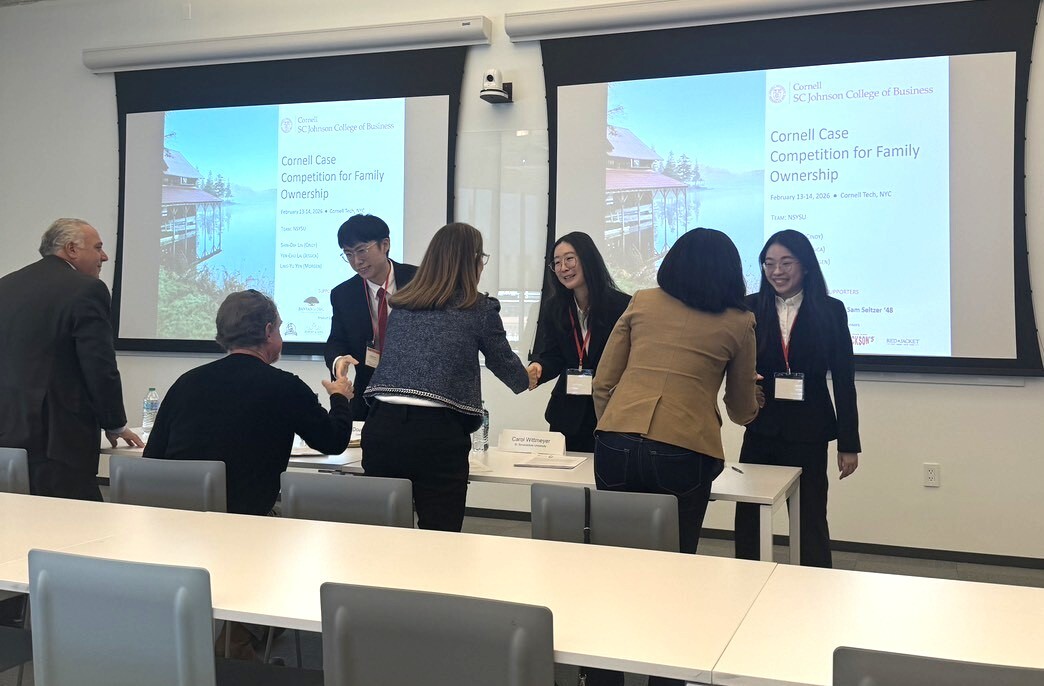
Over the two-day competition, the NSYSU team achieved third place in the preliminary rounds. Although they did not advance to the finals, the team demonstrated strong analytical capabilities and teamwork under intense pressure and complex conditions, earning recognition from judges and coaches from other institutions.
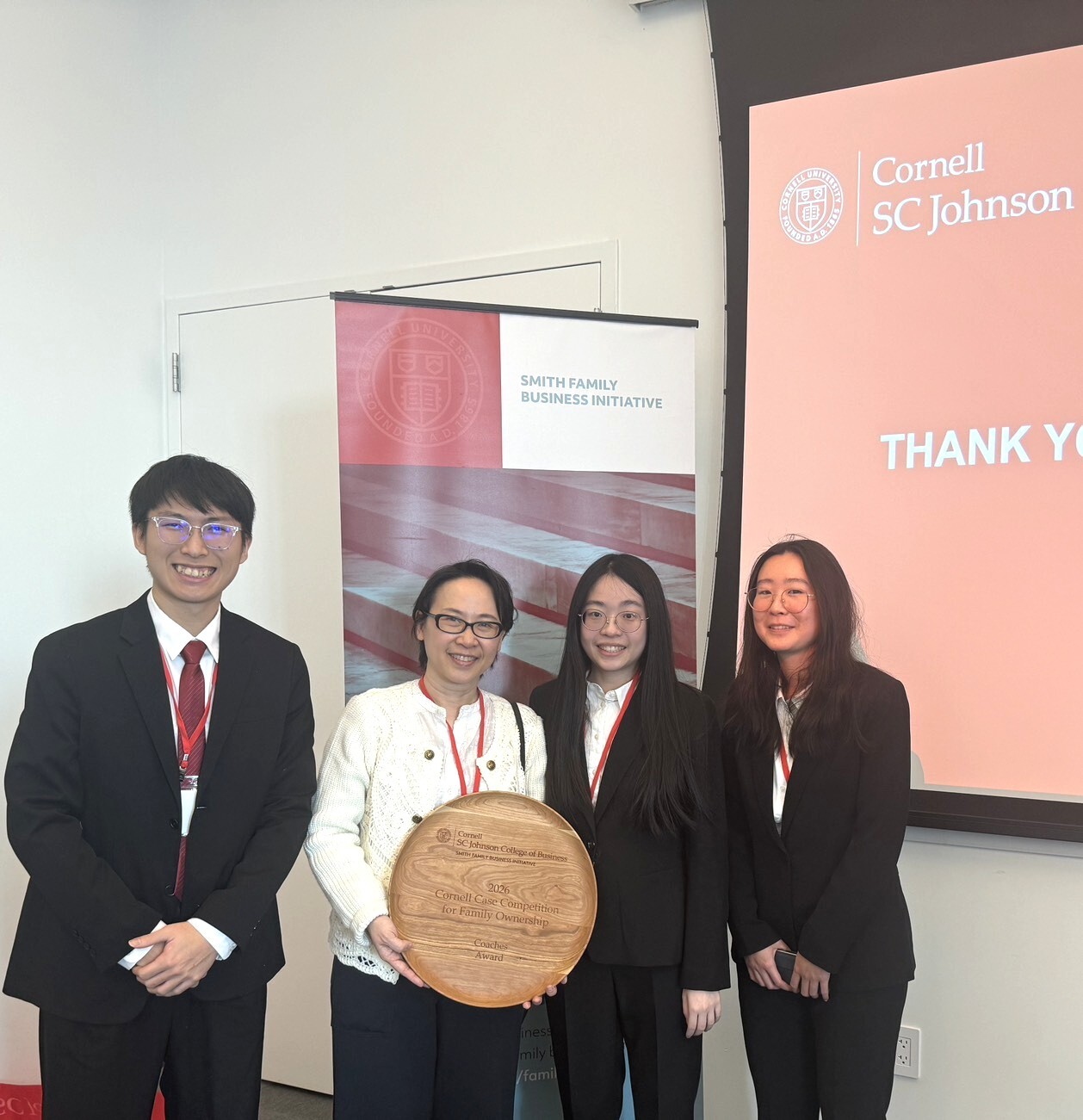
In addition, Professor Tsao received the Coach’s Award in recognition of her dedication to mentoring, continuous support, and guidance throughout the competition, highlighting the Center’s achievements in cultivating talent for international competitions.
This experience also led students to reflect on the evolving nature of case competitions in the age of AI. The challenge is no longer merely to produce “reasonable answers,” but to accurately interpret business contexts, understand stakeholder needs, and develop strategies that are both insightful and actionable. As analytical tools become increasingly accessible, true competitive advantage lies in problem framing, cross-context integration, and a deep understanding of people and organizations.
Moreover, interacting with participants from diverse countries and professional backgrounds broadened students’ global perspectives. Some teams brought practical or consulting experience, offering insights that were closely aligned with real-world decision-making, further elevating the intensity of the competition. Through observation and engagement, students gained a deeper appreciation of how cultural contexts shape decision-making and strengthened their understanding of global family business issues.
Overall, the Cornell Case Competition for Family Ownership was not only an international competition, but also a profound learning journey that bridges theory and practice. Through structured training and participation in global competitions, the Center for Strategy and Human Capital Research continues to cultivate students’ strategic thinking, governance perspective, and cross-cultural adaptability.