2026 Impact Management Co-Creation Workshop Successfully Concludes in Taipei and Kaohsiung (2026/03/07 & 03/13)
115/03/07-Kaohsiung 115/03/13-Taipei
2026 Impact Management Co-Creation Workshop Successfully Concludes in Taipei and Kaohsiung
From KPI to Impact: How Companies Can Make Impact Measurable
As sustainability and ESG continue to gain global consensus, the challenges faced by businesses have extended beyond revenue growth and operational efficiency. A more fundamental question has emerged: Are our actions truly creating meaningful change for society and the environment?
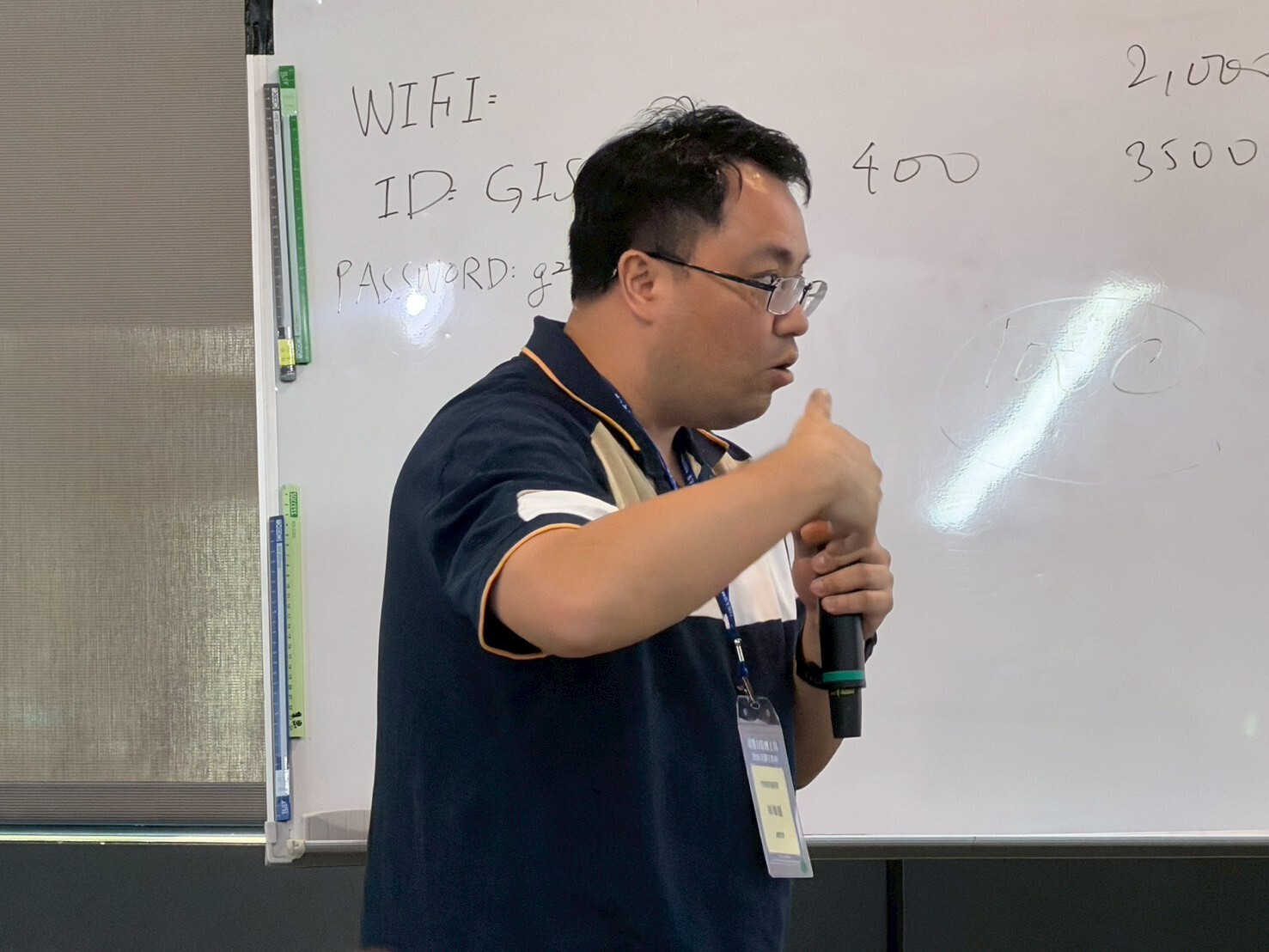
In response to this critical issue, Prof. Chia-Hao Ho from the Center for Strategy and Human Capital Research at National Sun Yat-sen University organized a workshop on “Impact Management.” The event featured distinguished speakers, including Prof. Ainurul Rosli from Hult International Business School and Dr. Jane Chang, Co-founder of Social Value Malaysia.
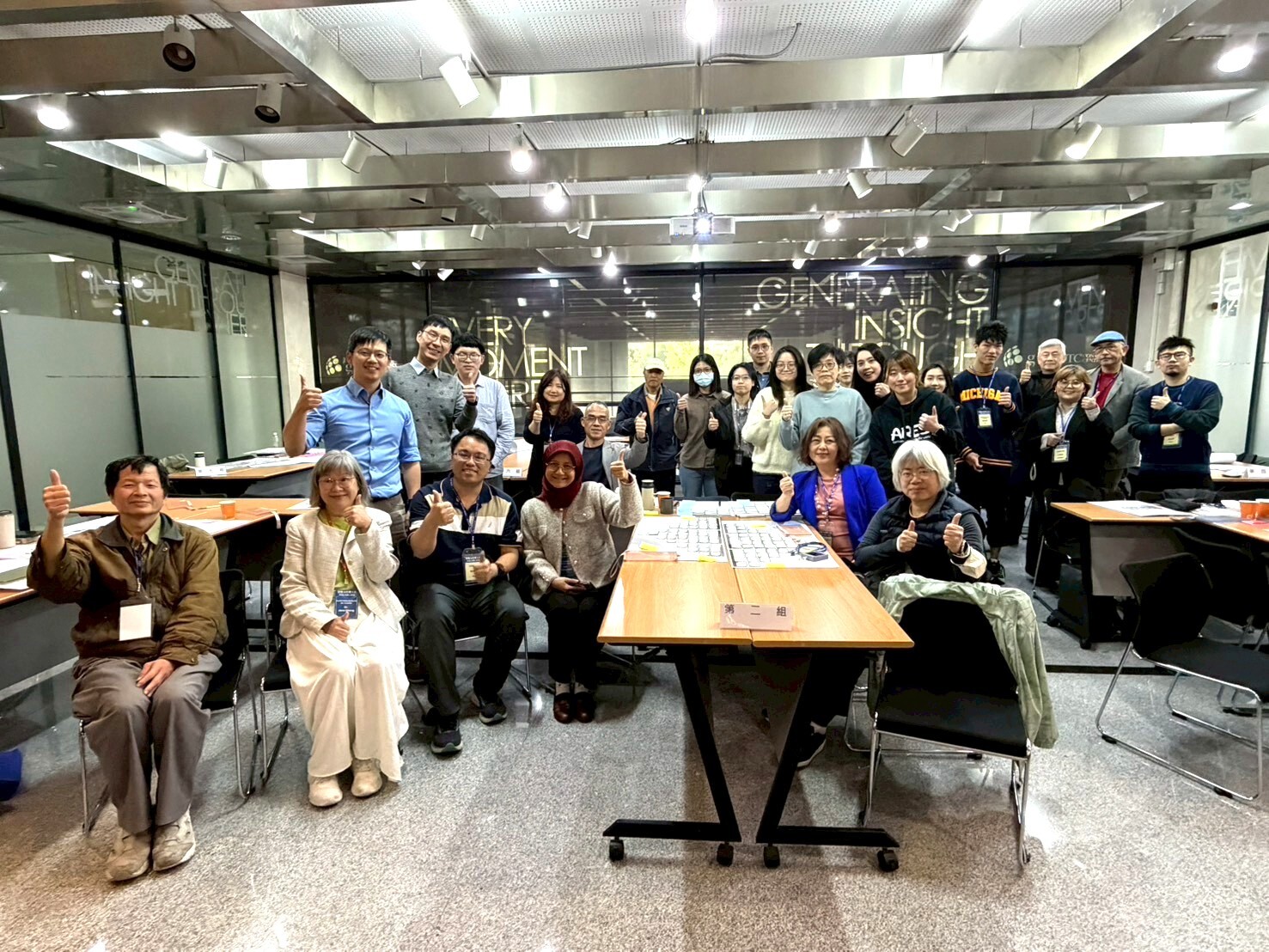
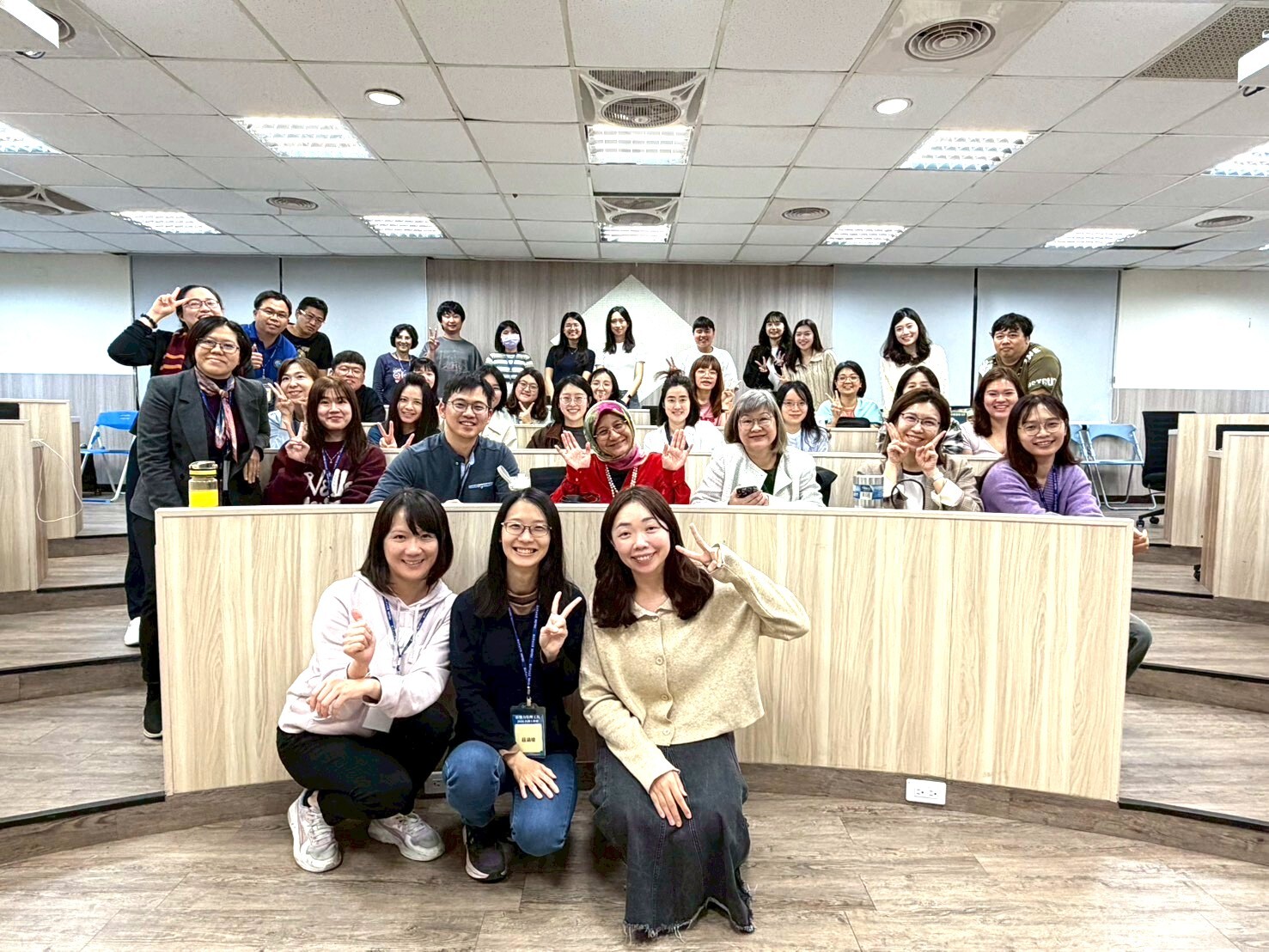
The workshop was held in both Kaohsiung (at National Sun Yat-sen University) and Taipei (at the GIS MOTC Convention Center), attracting approximately 60 professionals from various industries. The sessions were marked by active engagement and lively discussions, reflecting the growing interest in impact management across sectors.
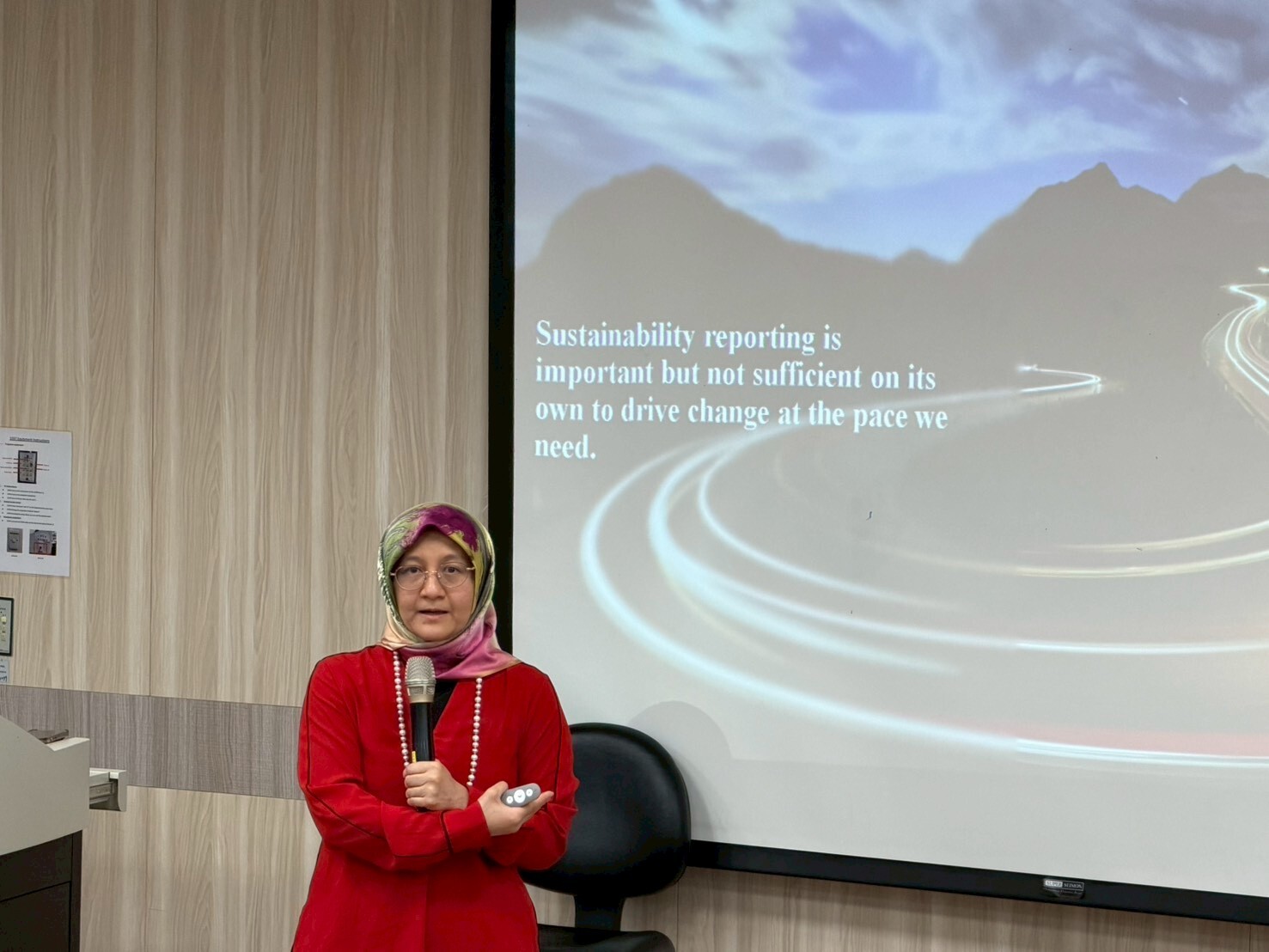
The workshop began with Prof. Ainurul Rosli providing an international perspective on the core concepts and latest trends in social impact management. She highlighted a significant shift in corporate sustainability practices—from traditional CSR and ESG disclosure and risk management toward a stronger emphasis on achieving real, measurable change.
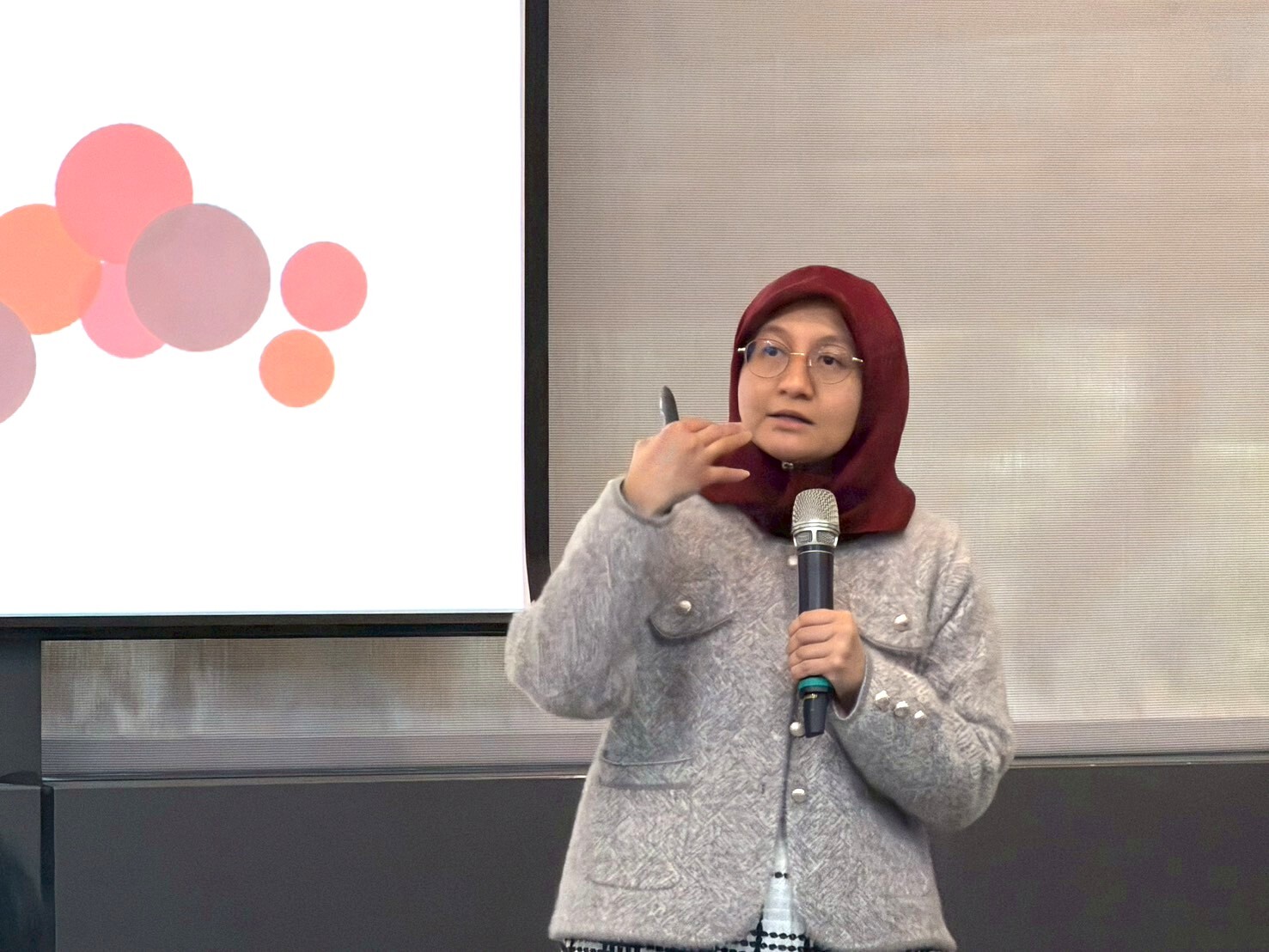
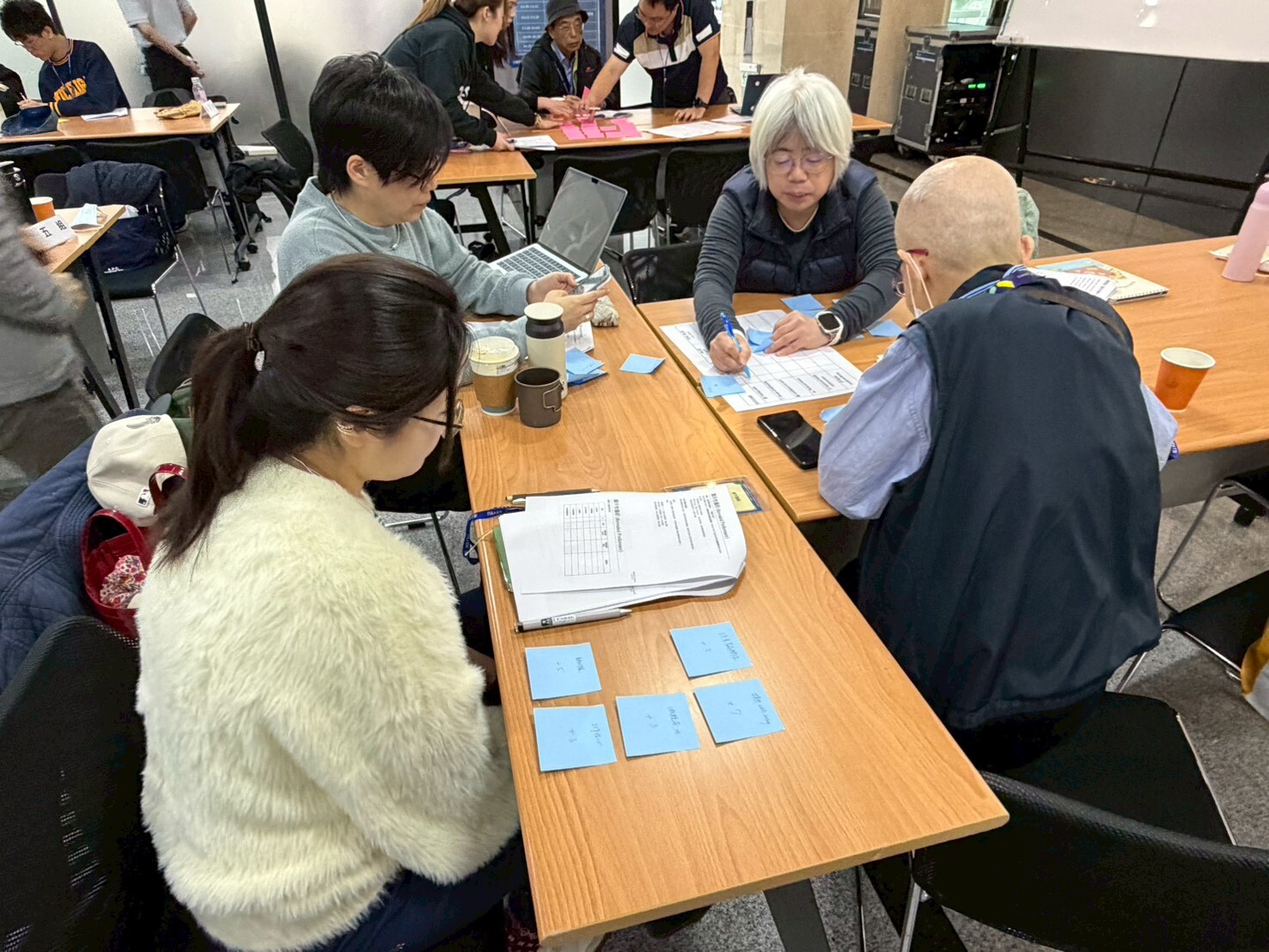
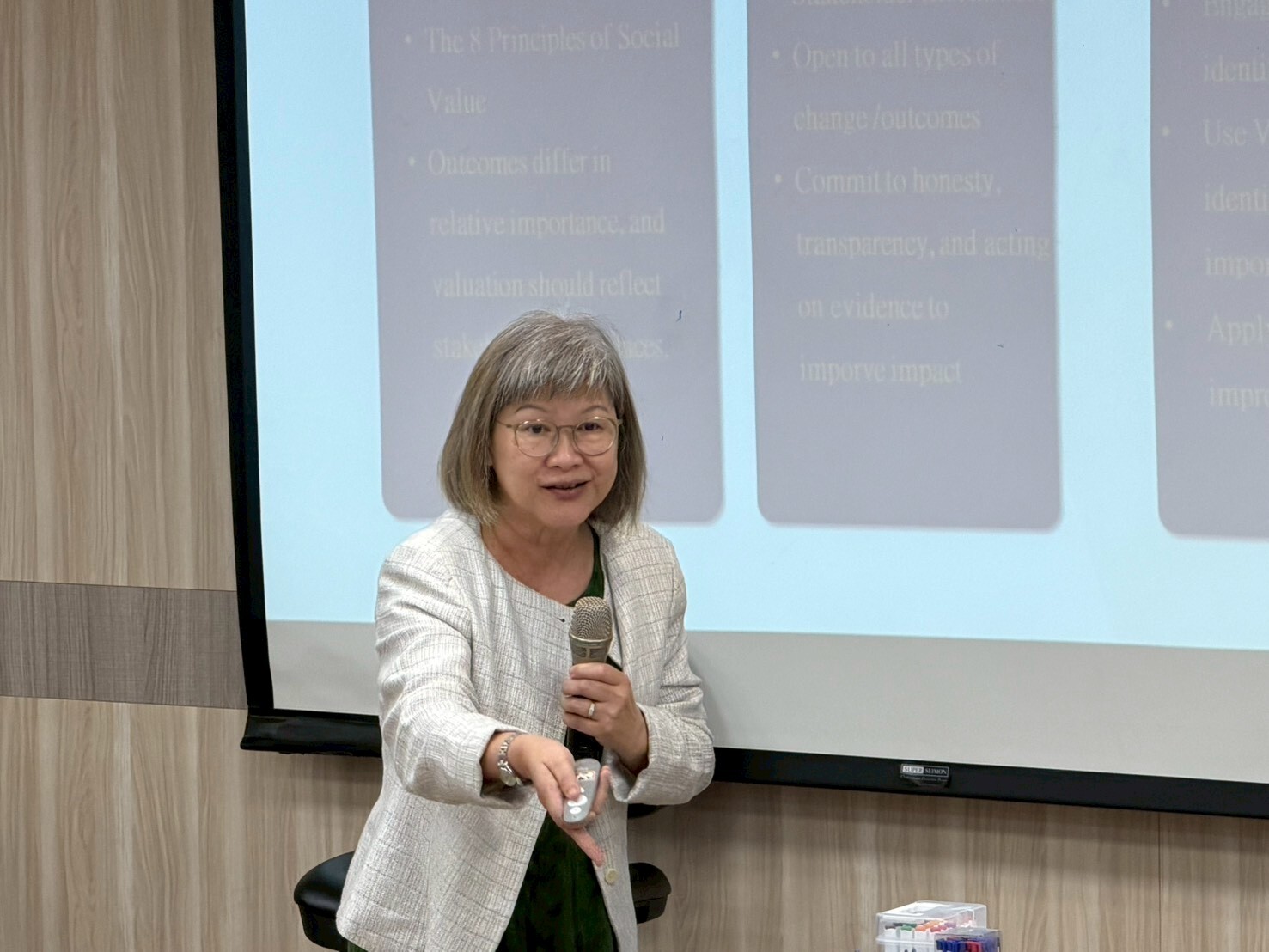
Following this, Dr. Jane Chang guided participants through the principles of social value and hands-on exercises, emphasizing that impact evaluation should be grounded in stakeholders’ real experiences. Through the “Value Game,” participants were encouraged to reassess the value of different outcomes from a stakeholder perspective. Participants engaged in role-switching, ranking and scoring various outcomes, and assigning weights based on their importance to stakeholders, thereby identifying the relative significance of each outcome.
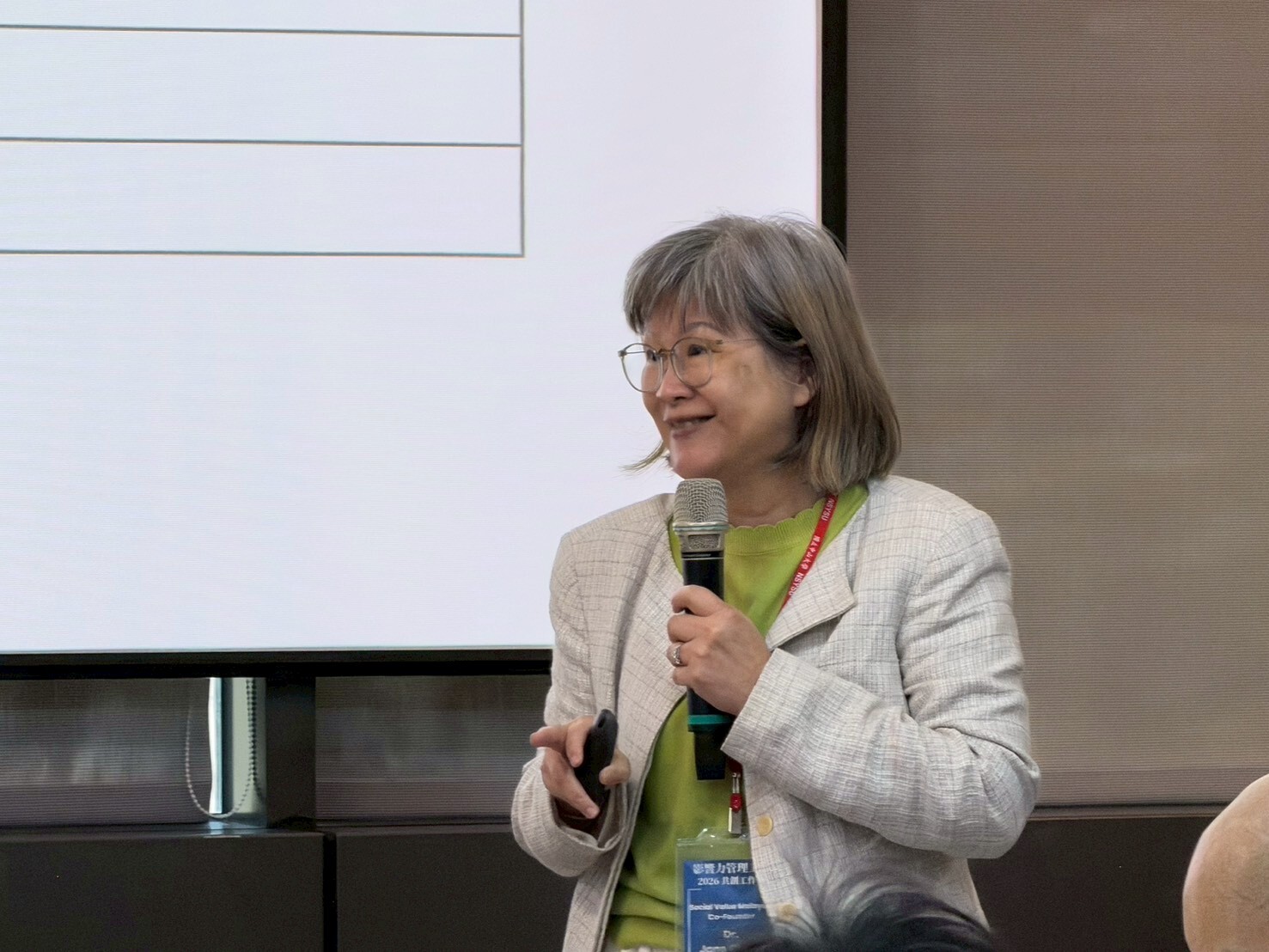
Through this comparative process, participants gained a deeper understanding that not all outcomes hold equal value for stakeholders. Additionally, by relating outcomes to real-life goods or services and estimating the cost required to achieve similar changes independently, participants were able to translate abstract impacts into tangible and comparable values.
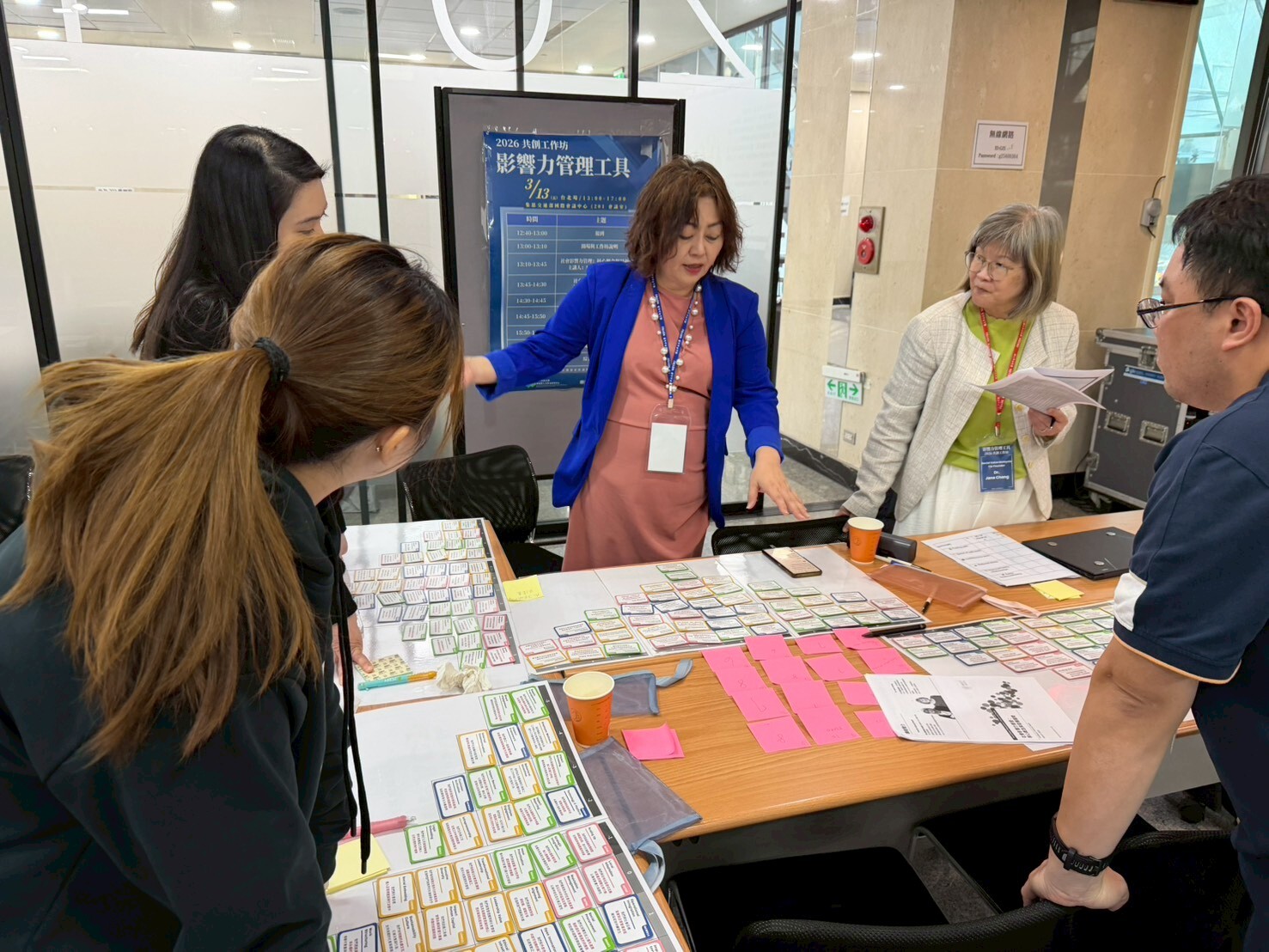
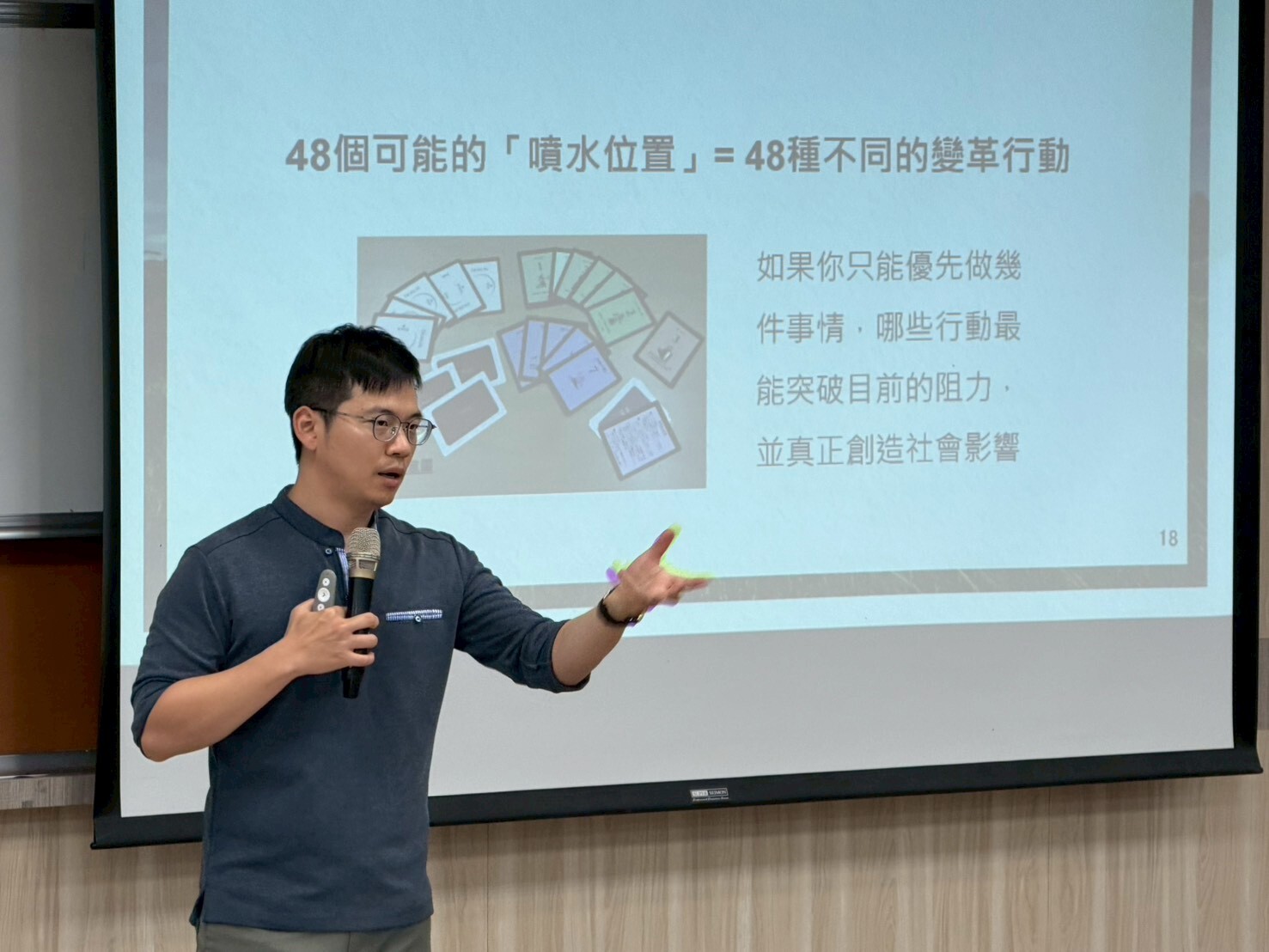
Finally, Prof. Chia-Hao Ho integrated academic insights with practical applications through the use of impact management cards. This interactive session guided participants in exploring how impact management can be applied across different industry contexts, transforming abstract concepts into concrete, measurable priorities.
During the workshop, speakers pointed out that many organizations still rely heavily on KPIs as their primary measurement tools—focusing on outputs such as tasks completed, resources invested, or revenue achieved. However, these indicators often fail to capture whether meaningful change has actually occurred. As a result, even substantial investments of time and resources may not effectively address the social or environmental issues organizations aim to solve.
Impact management shifts the focus from “what has been done” to “what has changed.” Compared to traditional performance management, it emphasizes whether actions have influenced target groups’ behaviors, improved specific social or environmental issues, and the extent and sustainability of these changes. This shift also prompts organizations to reconsider whether their measurement systems should evolve from output-based metrics toward outcome- and impact-oriented evaluation frameworks.
Importantly, impact is not an abstract concept—it can be systematically measured and managed. Organizations must clearly define the changes they aim to create and use data and evidence to verify whether these changes have actually occurred. In this process, impact management not only focuses on outcomes but also emphasizes integrating evaluation results into decision-making and strategic adjustments, forming a continuous cycle of improvement.
Co-Creation Experience with Impact Cards: Dialogue Through Prioritization
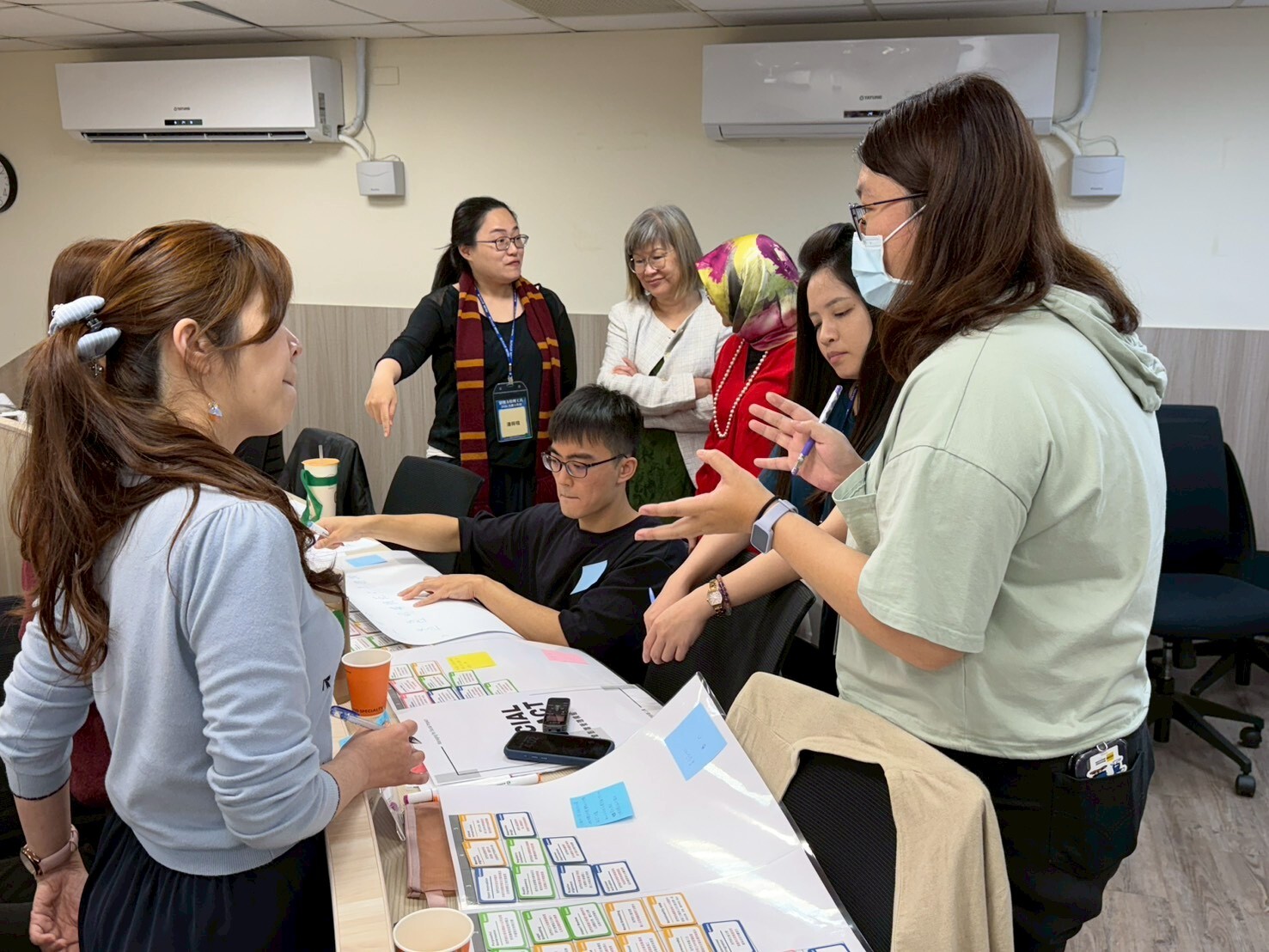
A key component of the workshop was the co-creation experience using “Social Impact Management Cards.” Participants prioritized different cards based on their organizational contexts and shared the reasoning behind their decisions within groups.
This design made visible the differences in how various industries perceive “social value,” while also fostering deeper discussions and exchanges of perspectives. Some groups quickly reached consensus, while others engaged in meaningful dialogue due to differing viewpoints, further clarifying diverse interpretations of impact.
Most participants found this exercise valuable in identifying organizational priorities and blind spots in sustainability initiatives. Cross-industry interactions also sparked new insights and directions for future thinking.
Overall, the key takeaway from impact management is not how much action an organization takes, but whether those actions lead to concrete and verifiable change. As sustainability continues to evolve, organizations are encouraged to consider how impact perspectives can be integrated into existing operations and decision-making processes, gradually building systems that are measurable and continuously optimized. Such transformation will help clarify the true value of organizational actions.
👉 Kaohsiung Workshop Highlights
👉 Taipei Workshop Highlights