2025 NSYSU Department of Human Resource Management Alumni Association × Center for Strategy and Human Capital Research (2025/11/01)
2025/11/01
2025 NSYSU Department of Human Resource Management Alumni Association × Center for Strategy and Human Capital Research
Forum Review: New Thinking in Talent Strategies for an Era of Turbulence
From Generational Communication to the AI Wave: Experts Gather to Decode the Future of Work
Introduction
When “AI,” “labor shortage,” and “generational value conflicts” become unavoidable realities for enterprises, how should HR strategies be redefined?
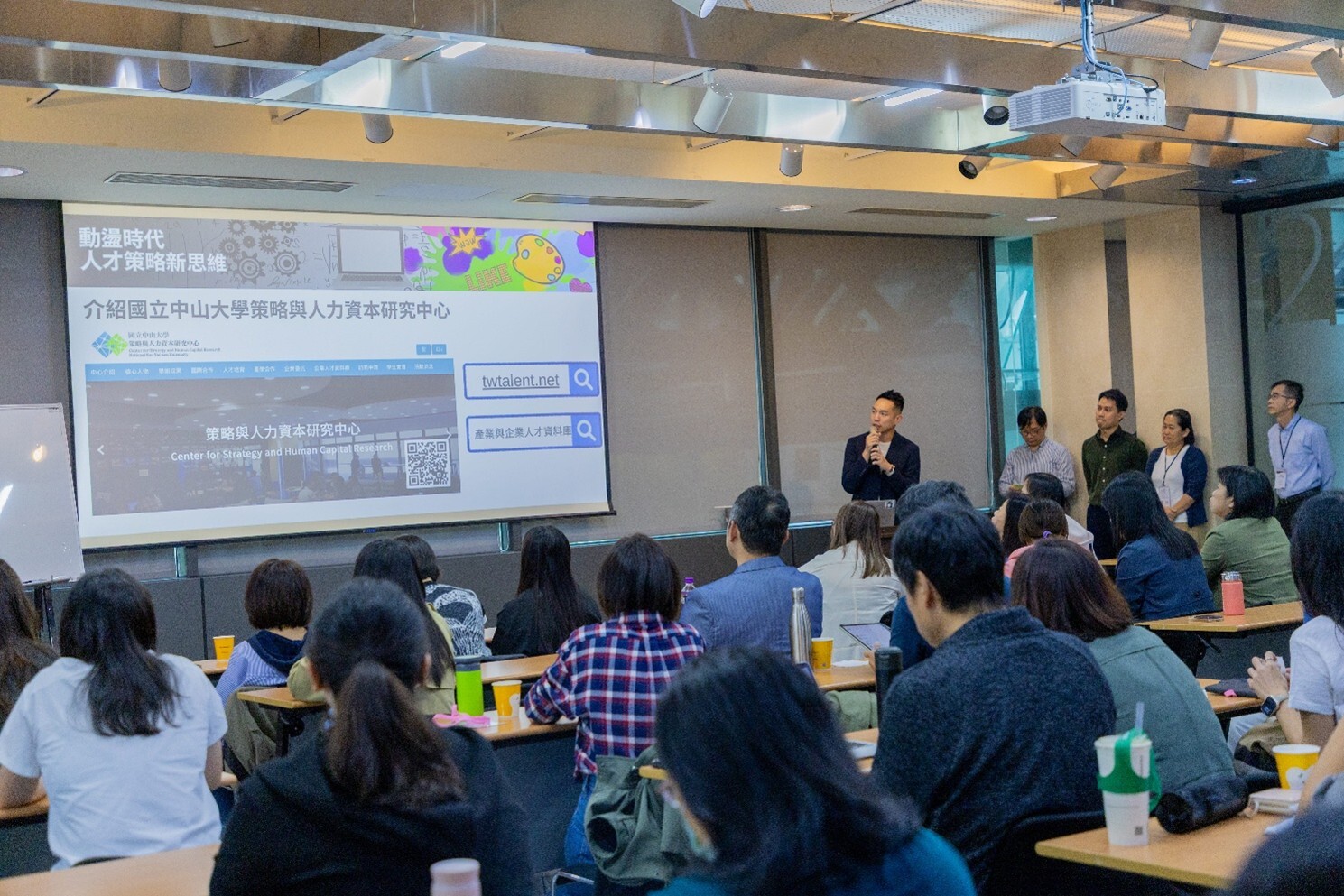
At the forum New Thinking in Talent Strategies for an Era of Turbulence, held on November 1, 2025, leaders from academia and industry gathered to explore how organizations can co-create sustainable growth through culture, technology, and leadership in an age of uncertainty.
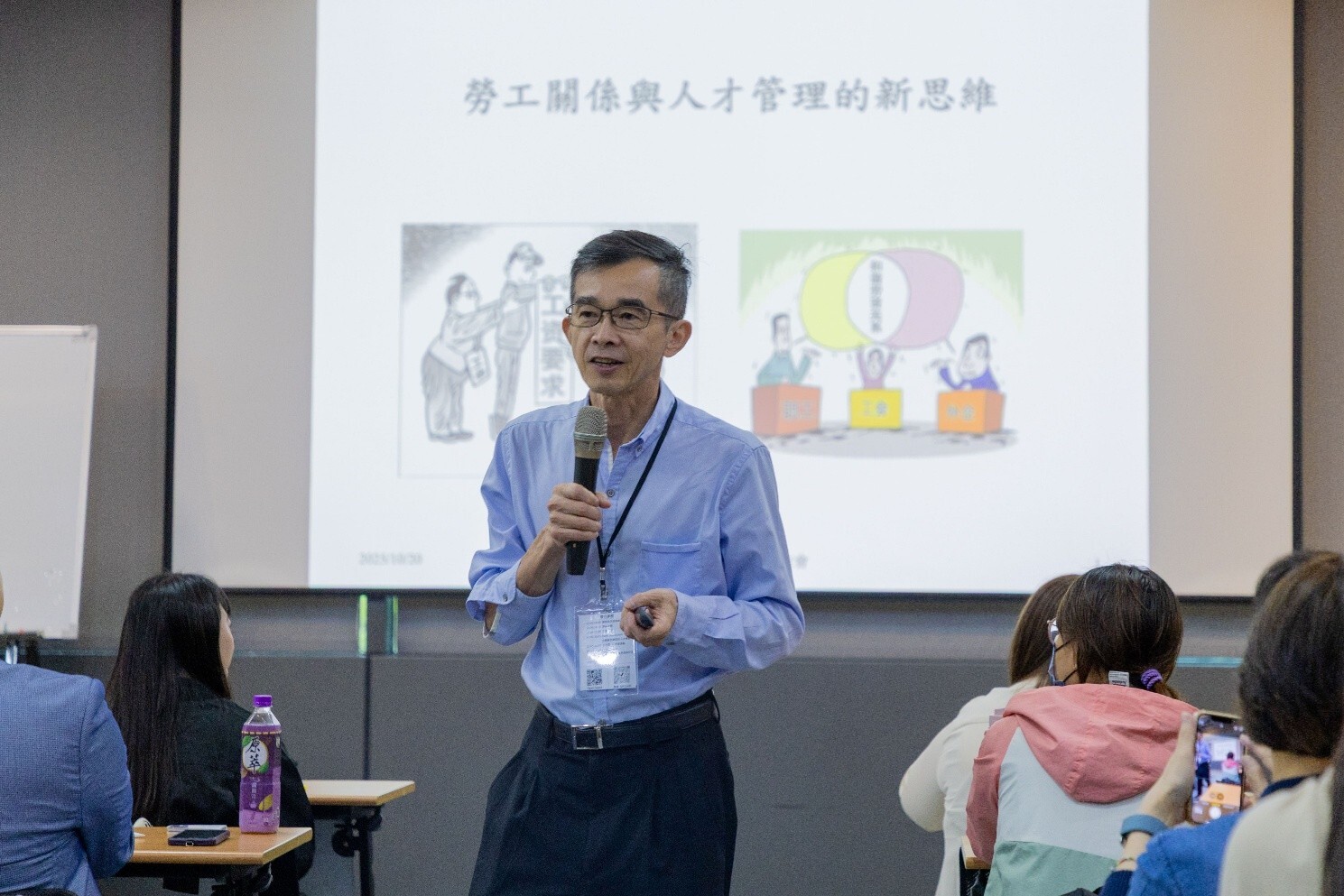
I. Keynote Speech: Rethinking Labor Relations and Talent Management
Leadership Challenges in Turbulent Times: Declining Loyalty and Organizational Stagnation
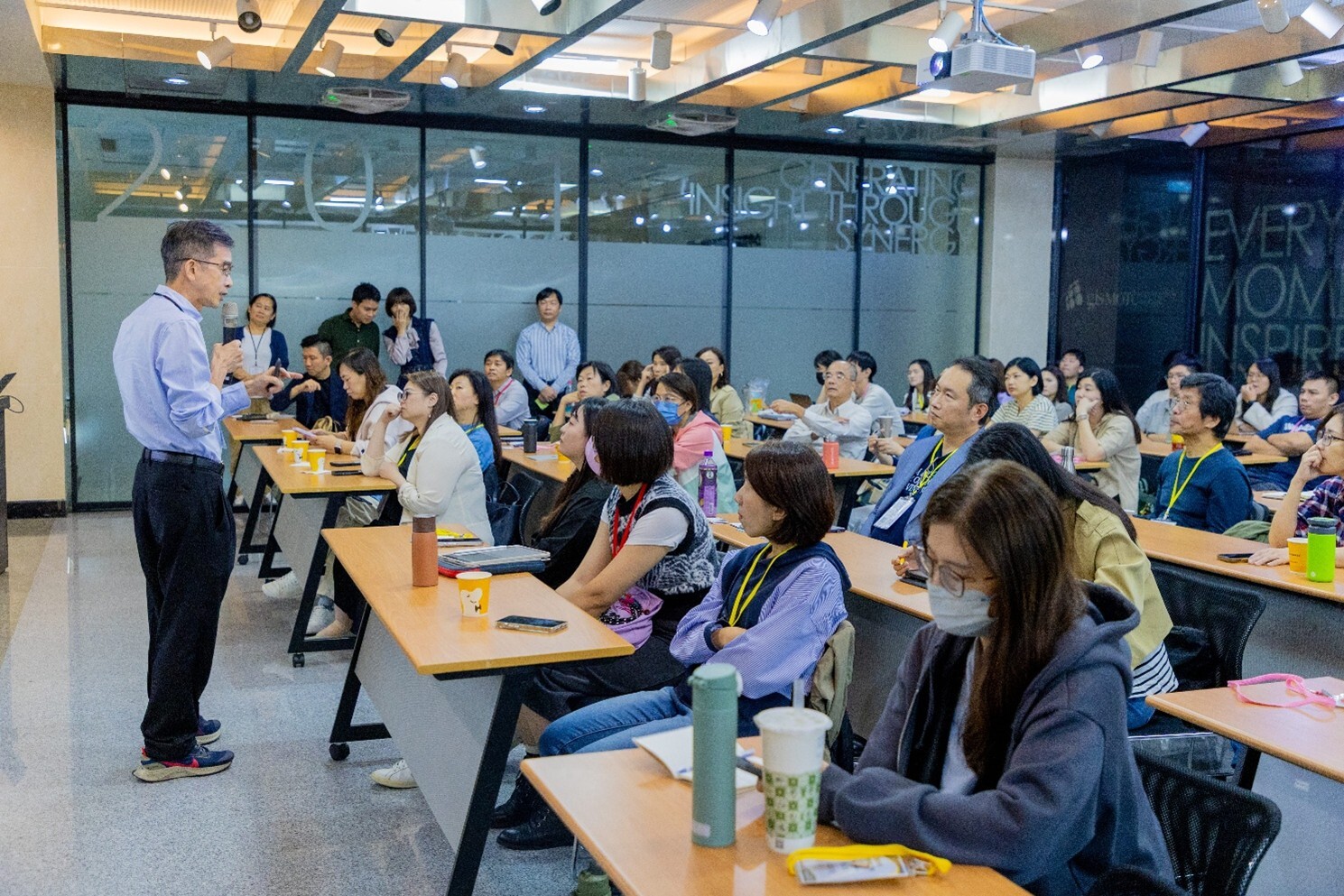
NSYSU Vice President Dr. Shyh Jer Chen, drawing from three decades of management experience, pinpointed four major challenges for today’s leaders: “How to manage quiet quitters, how to lead subordinates more senior than oneself, how to handle difficult team members, and how to navigate factional conflicts.”
With wit, he noted that when “leaders act like emperors, departments become overly authoritarian, and the workplace bacome highly political,” it signals organizational dysfunction. True leadership, he emphasized, “comes from charisma and influence, not positional authority.”
For Dr. Chen, the starting point of reform lies in self-awareness and decisiveness: leaders must first confront their organization’s stagnation issues and boldly drive cultural transformation.
II. Panel Discussion
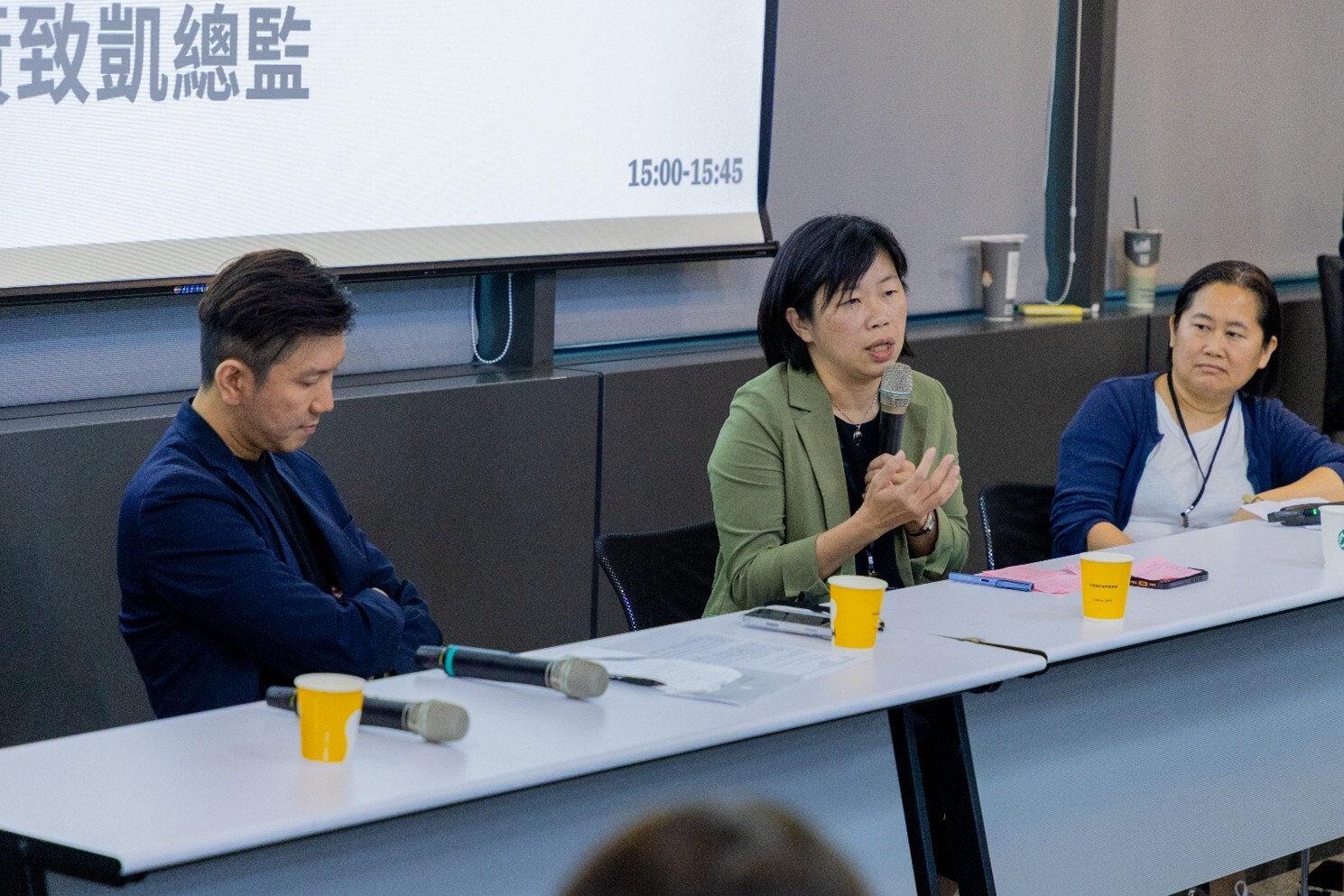
New Retention Strategies: From Trust Culture to Truely Employer Branding
Senior HR consultant April Lin observed, “The main reason employees leave is not salary, but the lack of trust and growth opportunities.”
She argued that corporate competition has shifted from pay wars to culture wars: only by building psychological safety and a culture of empowerment can organizations inspire accountability.
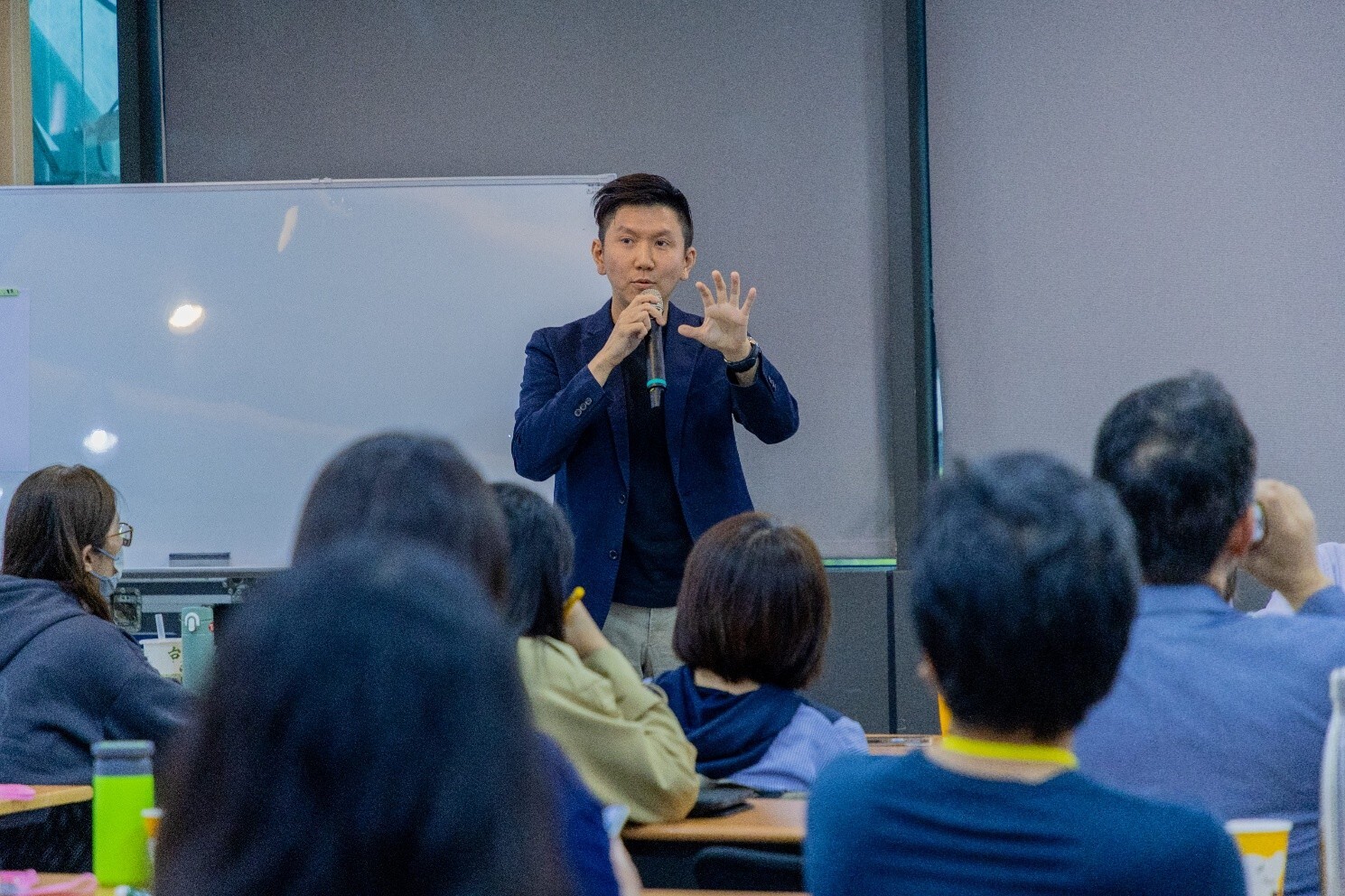
HR Director of dentsu Rodney Huang added, “Your brand must be consistent inside and out; otherwise, employer branding is just marketing gloss.”
He urged companies to confront internal data honestly—using turnover rates and employee surveys to identify cultural gaps—rather than blaming “Gen Z” for being unmanageable.
Bridging Generations: Turning Abstract Values into Concrete Actions
Generational management should move beyond slogans.
Rodney Huang shared how his company adopted an Activity-Based Workplace (ABW) model, allowing employees to choose their workspace based on tasks and mood—fostering a responsibility-oriented rather than timeclock-oriented culture.
April Lin introduced the concept of “Bundled Accountability,” pairing senior and younger employees to co-own project outcomes, thereby integrating experience with digital agility. She urged leaders to shift from commanders to coaching facilitators, helping employees recognize their own value and contribution.
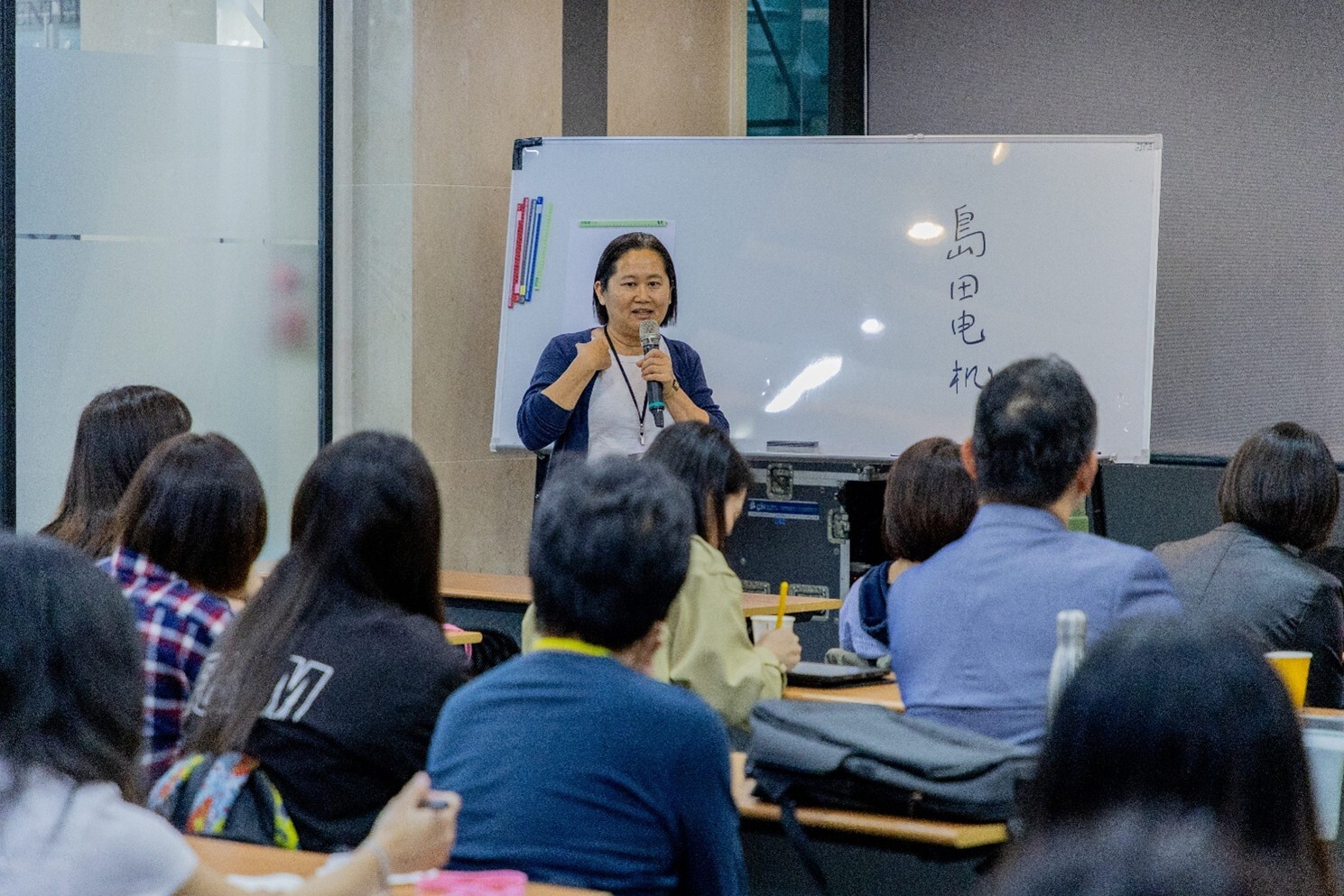
Associate Dean Paoline Chen of NSYSU’s College of Management illustrated this with the example of Japan’s Shimada Electric Manufacturing Company, which transformed from traditional manufacturing into a creative enterprise. The company even asks job applicants to write a “love letter” to express their alignment with company culture. “Finding the right people,” she reminded HR professionals, “is more important than simply filling vacancies.”
DEI and AI: Two Keywords Defining the Future Workplace
Rodney Huang emphasized that Diversity, Equity, and Inclusion (DEI) represents a blue ocean for talent strategy. He cited Coca-Cola successfully recruited a female veteran who previously served as an aircraft crew chief, demonstrating that “breaking conventions creates new value.” “Leaders are the embodiment of culture,” he added. “From abolishing executive parking spaces to building diverse teams, DEI must start with concrete action.”
On AI, Paoline Chen admitted to being an avid user of generative AI tools. She urged HR professionals to become navigators of technology rather than victims of it—leveraging AI to optimize workflows and enhance talent decisions. Experts agreed: AI will elevate HR from administrative management to strategic partnership, reshaping the core of corporate decision-making.
Impact of AI on careers: From Fear to Coexistence
Multiple HR executives and representatives from the technology industry have pointed out that AI brings not only technological innovation but also a shift in career mindset. Over the past decade, AI was seen as a tool for efficiency; now, generative AI is redefining what constitutes “expertise” and “value.” As one participant put it: “AI is making us reconsider: which jobs can humans never be replaced in?”
April Lin shared her experience implementing AI-driven performance analysis and training systems. Initially, employees feared replacement—but once the company reframed AI as a learning partner rather than a monitoring tool, employees began to embrace it to simplify tasks and improve decision quality. “AI won’t replace people,” she concluded, “but it will replace those who don’t know how to use it.”
HR representatives also noted that future career paths won’t be a fixed “ten-year roadmap” anymore; instead, they will be built from a set of “skill modules” that are constantly upgraded and collaboratively developed.
Paoline Chen further cautioned: “Both education and enterprises must transform in parallel.” She noted that if talent development remains focused on a single skill, it will be unable to cope with the multitasking and cross-disciplinary work driven by AI. The key future competency, she said, “is not being good at one thing, but learning new things quickly.”
III. Open Space:Workplace Flexibility — Dialogue, Co-Creation, and Future Visions
The forum’s closing session adopted an Open Space format, inviting participants to propose topics and co-create discussion points.
One of the topics raised—“Facing the sense of detachment of younger generations from traditional industries, what concrete strategies can we do to attract and retain talent?”—focused on Gen Z and workplace flexibility: redefining the meaning of “work.”
Amid the triple waves of the pandemic, remote work, and AI, the new generation places greater emphasis on freedom, meaningfulness, and psychological boundaries.
One manager shared: “After we implemented remote work, we found that Gen Z employees’ output actually increased, because they are better able to self-manage in an environment where they are trusted.”
Dentsu’s HR Director Rodney Huang pointed out that Gen Z is not averse to hard work, but rejects “effort without meaning.”
Companies must learn to communicate with them in new ways, shifting the focus from “how you do it” to “why you do it.” He emphasized: “Gen Z cares about Being, not just Doing.”
Participants also shared that some companies have introduced flexible shifts and Activity-Based Working (ABW) arrangements, allowing employees to freely choose their work environment. The results not only enhanced creative flow but also reduced generational gaps and workplace friction. This trust-based management is gradually replacing traditional supervisory approaches, marking a generational shift in corporate culture.
Consultant April Lin added: “For the younger generation, flexibility is not a perk—it’s an ecosystem." Companies that continue to prioritize ‘rules’ over ‘trust’ will ultimately lose their most creative talent. She recommended that managers adopt coaching-style questioning and cross-generational understanding to ensure that the voices of the new generation are genuinely heard.
IV. Conclusion: Balancing Technology and Humanity — A Human-Centered Path to Sustainable Transformation
After multiple group discussions, the forum reached a consensus: "AI makes work more efficient, while Gen Z reminds us that work should also be more human."
At the intersection of these two forces, future talent strategies are no longer about “technology vs. humans”, but “technology × humans.” Companies that can balance innovation with empathy, and efficiency with flexibility, will be able to build genuine resilience in an era of turbulence.
The forum traced the journey from the collapse of loyalty to the wave of AI, and from cultural transformation to organizational sustainability, outlining a blueprint for human-centered transformation. As Vice Dean Paolien Chen remarked, “HR must learn to think in the language of executives and become strategic partners in driving organizational progress.”
In these times of constant change, only by integrating humanity and technology can companies discover true resilience and momentum to move forward.
📍 Event Information
Topic: New Thinking in Talent Strategies for an Era of Turbulence
Date: Saturday, November 1, 2025, 14:00–17:00
Venue: GIS MOTC Convention Center, Meeting Room 201 (No. 24, Sec. 1, Hangzhou S. Rd., Zhongshan Dist., Taipei City)
Organizers: NSYSU Department of Human Resource Management Alumni Association × Center for Strategy and Human Capital Research
Photo Highlights