
2026 CSHCR Seminar: Governance Structure Changes and Trust in Family Business (2026/10/28-10/29)
115/10/28-115/10/29
2026 CSHCR Seminar: Governance Structure Changes and Trust in Family Business
When the Family Changes, Can Trust Keep Up?
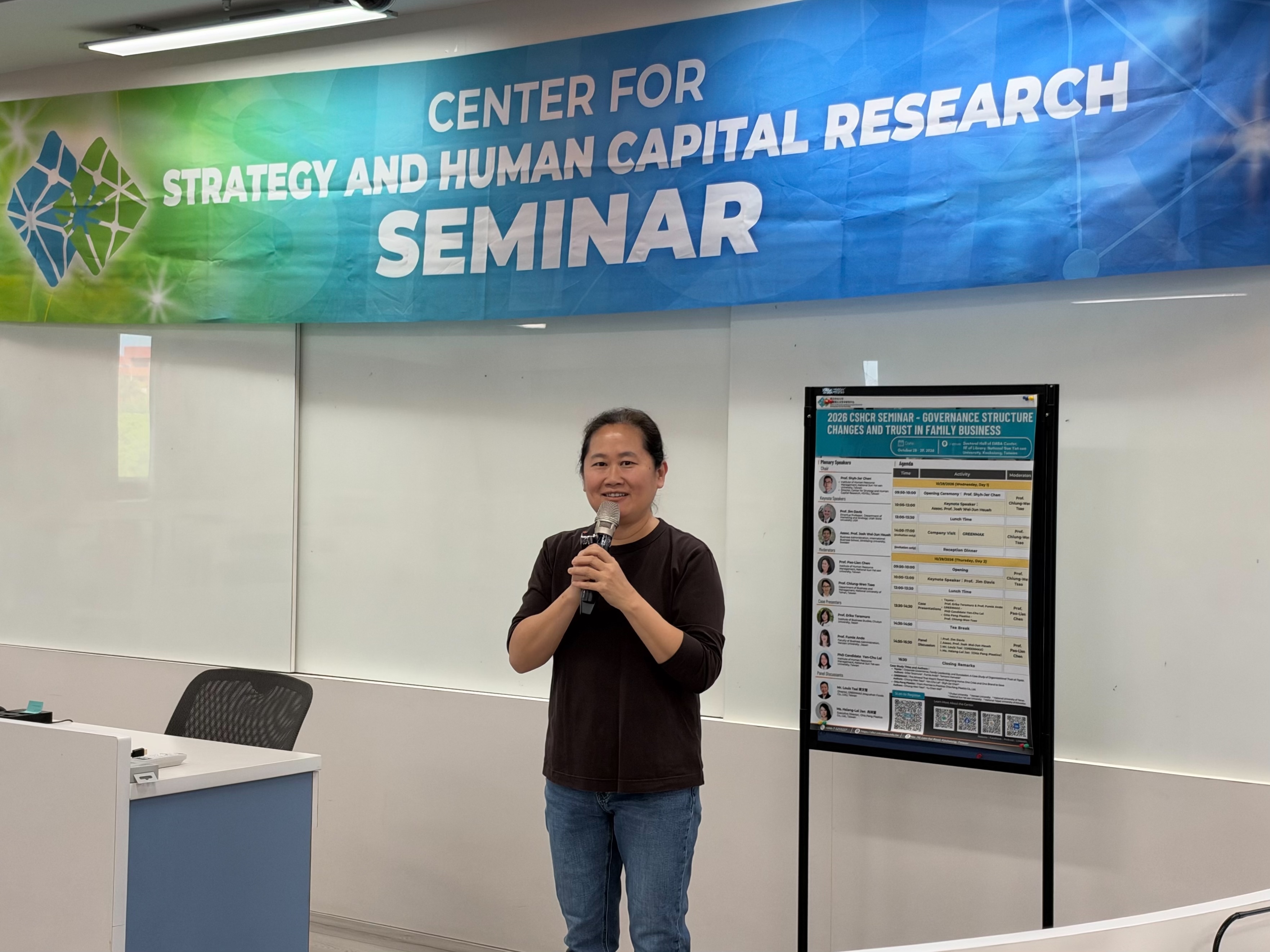
On October 28–29, 2026, the Center for Strategy and Human Capital Research (CSHCR) at National Sun Yat-sen University (NSYSU) held its annual seminar under the theme Governance Structure Changes and Trust in Family Business. Now in its fourth year, the CSHCR Seminar has become a platform for dialogue between international scholars and Taiwanese business practitioners. Co-chaired by Prof. Pao-Lien Chen, Co-Director of CSHCR and Professor at NSYSU’s Institute of Human Resource Management, and Prof. Chiung-Wen Tsao, a CSHCR member and Professor in the Department of Business and Management at National University of Tainan, the two-day program brought together researchers from Utah State University (USA), Jönköping University (Sweden), Chukyo University and Nanzan University (Japan), alongside leaders from two Taiwanese family firms, GREENMAX (Mayushan Foods) and Chia Pang Plastics. The seminar attracted scholars, researchers, practitioners, and students, reflecting a shared interest in how family firms govern themselves and sustain trust across generations.
The theme addressed a pressing challenge. Families in Taiwan and across East Asia are changing rapidly, with divorce, remarriage, and declining birth rates reshaping family relationships and roles. At the same time, trust, long seen as a distinctive strength of family firms, is facing new pressures. The two keynote speeches explored these interconnected challenges from the perspectives of family structure and trust, while the case presentations and panel discussion connected the research to the daily realities of running a family business.
Keynote I: Rethinking the Family in Family Business
The seminar opened on October 28 with a keynote by Assoc. Prof. Josh Wei-Jun Hsueh, Head of Research at the Centre for Family Entrepreneurship and Ownership (CeFEO), Jönköping University, Sweden, and Associate Editor of Family Business Review and the Journal of Small Business Management. He challenged a basic assumption: we call it family business, yet many theories still assume a stable family built around a lasting marriage, with the eldest son as the expected successor. Drawing on Taiwan’s marriage and fertility trends, he questioned whether these assumptions still reflect the families of today. Through cases such as SK Group, the Murdoch family trust, and the Evergreen Group, he showed how changes in the family reshape three fundamental questions: who owns, who decides, and who carries the business forward.
The research he presented offered empirical insights. A study using Swedish register data on more than 200,000 adult children of business owners found that parental divorce reduced the annual likelihood of assuming ownership of the family business by 27%, eliminating the only-child advantage and weakening sons’ traditional advantage. Another study of six century-old family dynasties found that families endure when they broaden the pool of successors, develop them over the long term, and keep those not chosen connected to the family. His advice to owners was practical and direct: “plan for the family you have,” not the family you are supposed to have.
Keynote II: Trust in Family Enterprise — How to Build, Nurture, and Restore It
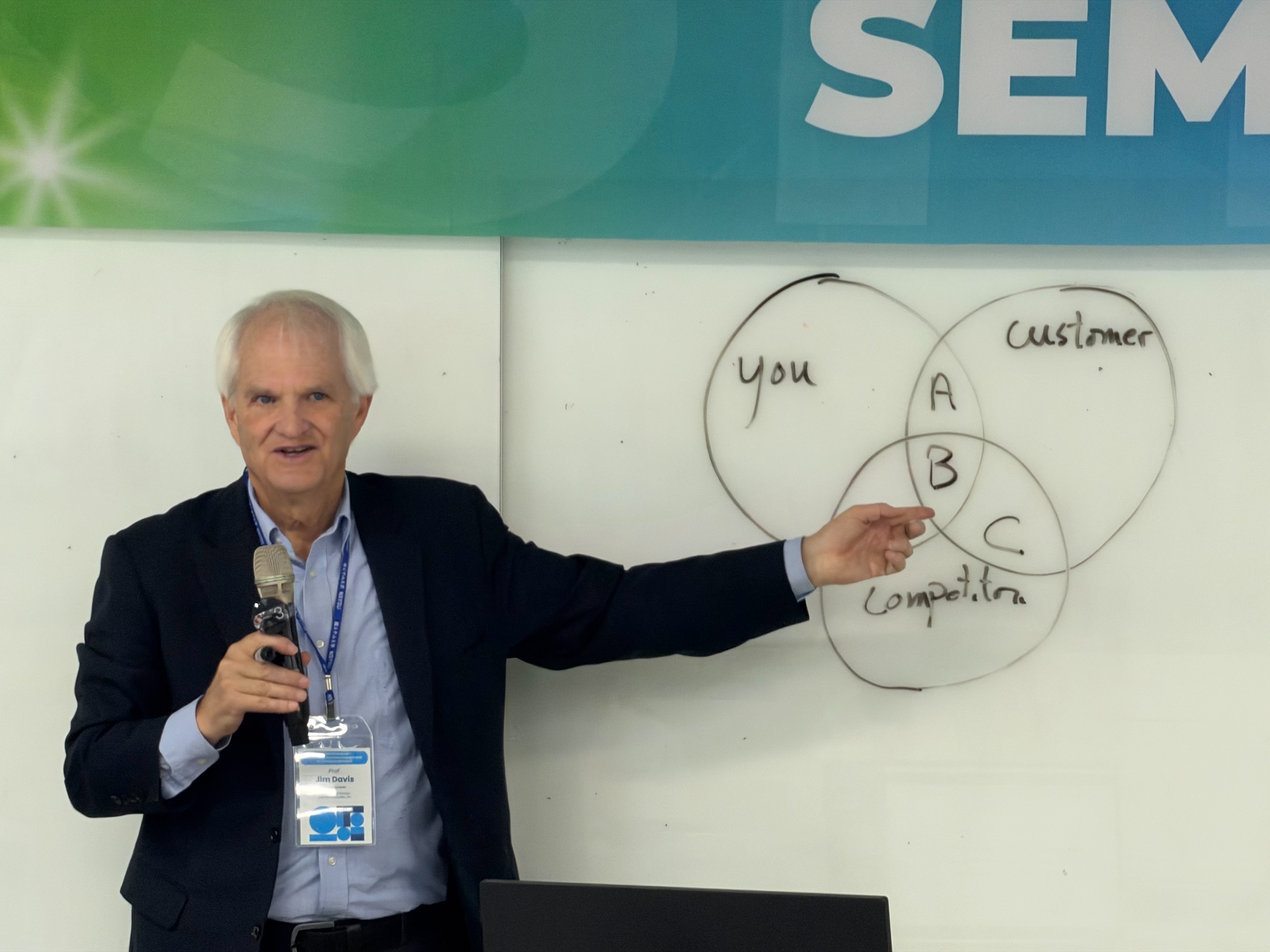
On October 29, Prof. James H. (Jim) Davis, Emeritus Professor of Marketing and Strategy at Utah State University, delivered the second keynote. A leading trust scholar, he co-authored “An Integrative Model of Organizational Trust,” named the Academy of Management Review’s Best Article of the Second Decade.
He drew on the Edelman Trust Barometer to highlight a concerning trend: the 20-percentage-point trust advantage that family businesses held over businesses in general in 2013 had shrunk to six percentage points a decade later. Low trust, he argued, imposes a “tax” through information hoarding, blame shifting, and “meetings after the meetings,” while high trust delivers dividends in openness and candor.
Defining trust as the willingness to be vulnerable, he explained its three key elements—ability, benevolence, and integrity—and emphasized the importance of all three. A family firm that promises “there’s always a place for you here” regardless of ability can be just as vulnerable as one that prizes skill but lacks concern for others.
Trust is also domain-specific: a father may trust his son at home yet remain reluctant to entrust him with the business. His observations on trust repair highlighted an important distinction: trust damaged by a lack of ability may be rebuilt through demonstrated improvement, while breaches involving benevolence or integrity can be far more difficult to repair fully.
Case Presentations: From Toyota to Taiwan
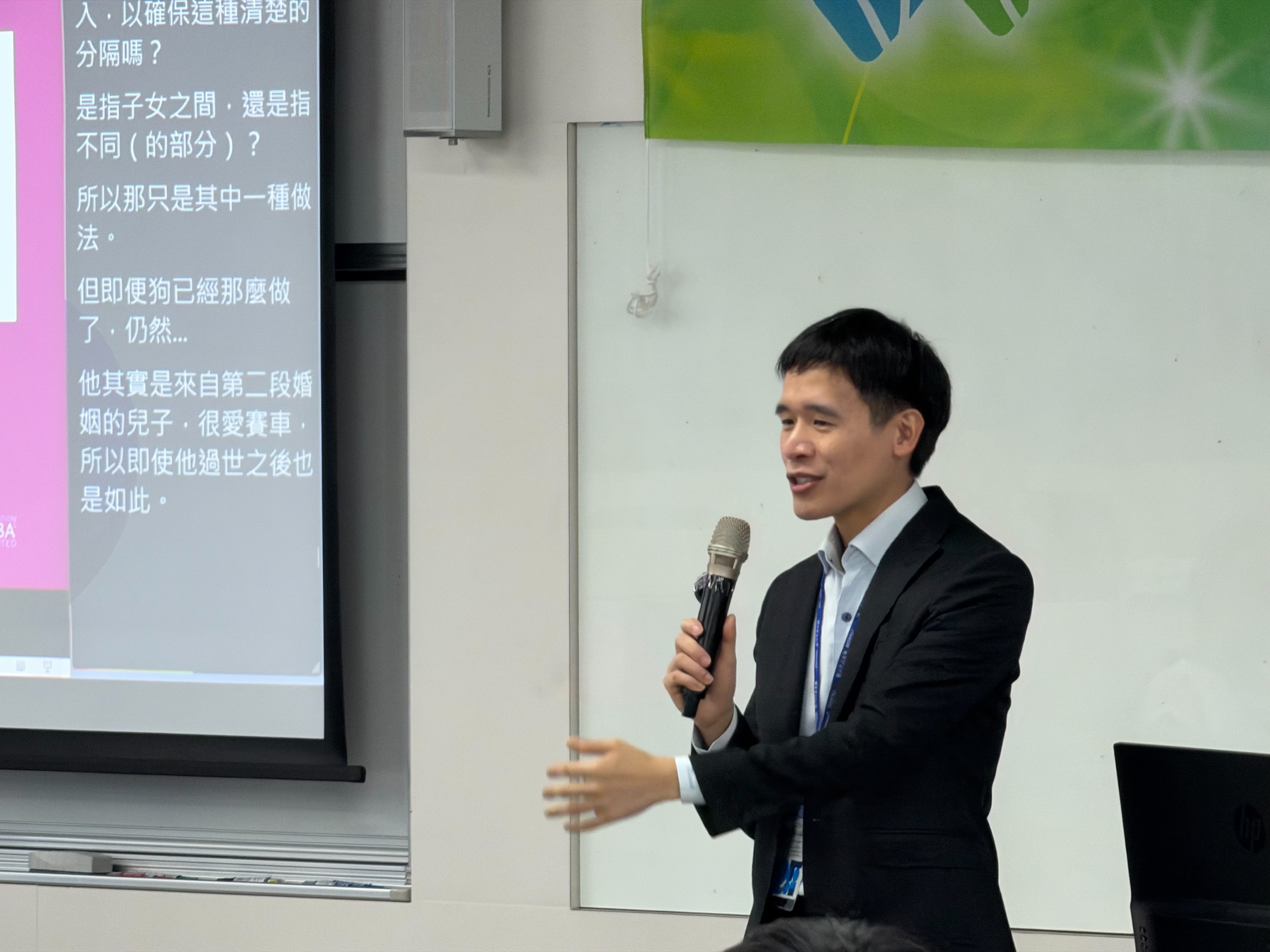
On the afternoon of October 29, the focus shifted from theoretical frameworks to company cases. Prof. Eriko Teramura (Chukyo University) and Prof. Fumie Ando (Nanzan University) presented the case of Toyota, offering a Japanese perspective on governance and continuity in a global enterprise with deep family roots. PhD Candidate Yen-Chu Lai (NSYSU) presented the GREENMAX case, and Prof. Chiung-Wen Tsao (National University of Tainan) presented the Chia Pang Plastics case.
Together, the three cases connected the keynote themes to real-world decisions about succession, governance, and renewal in Japanese and Taiwanese companies, showing how family relationships and governance arrangements interact in different business contexts.
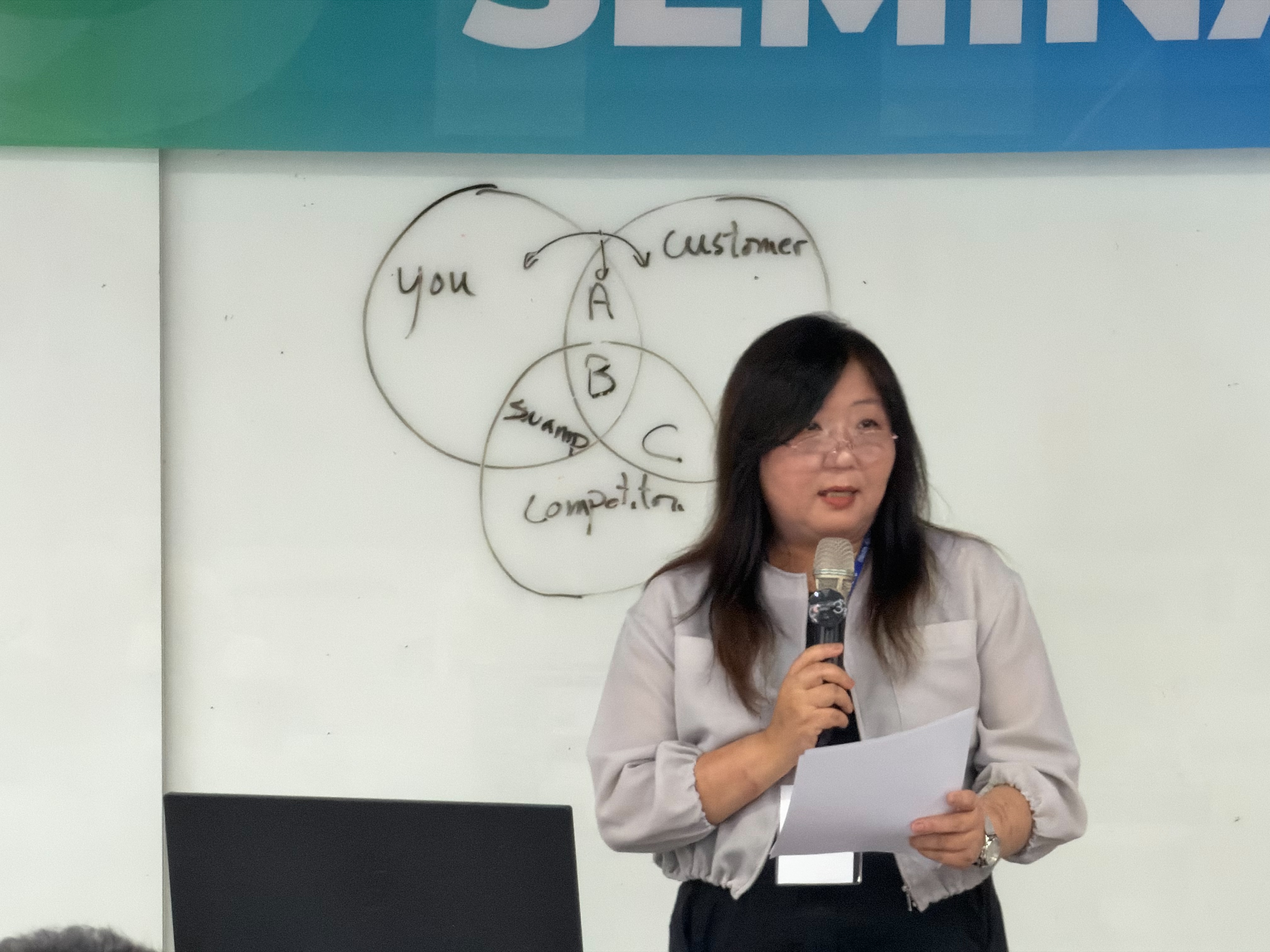
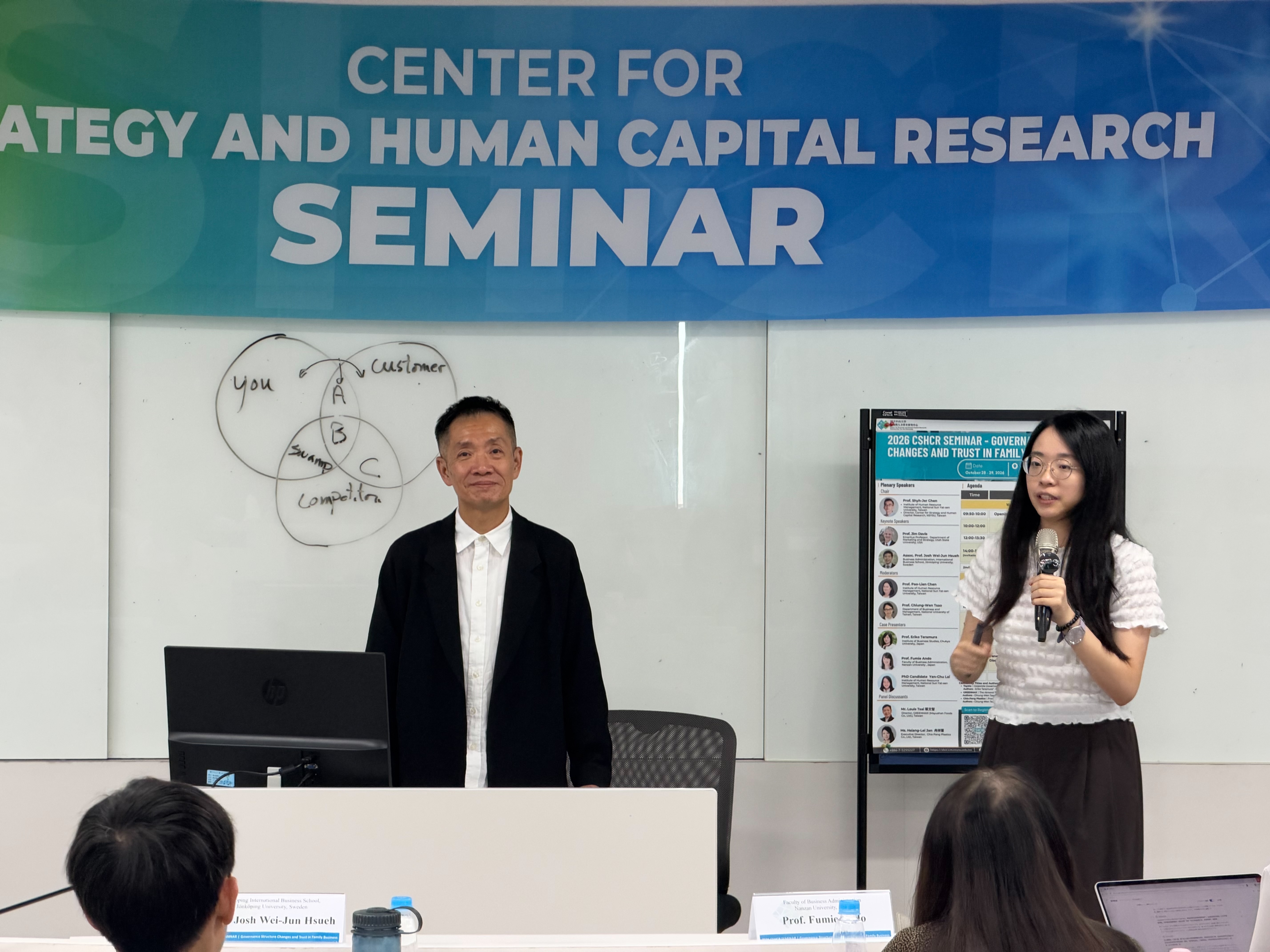
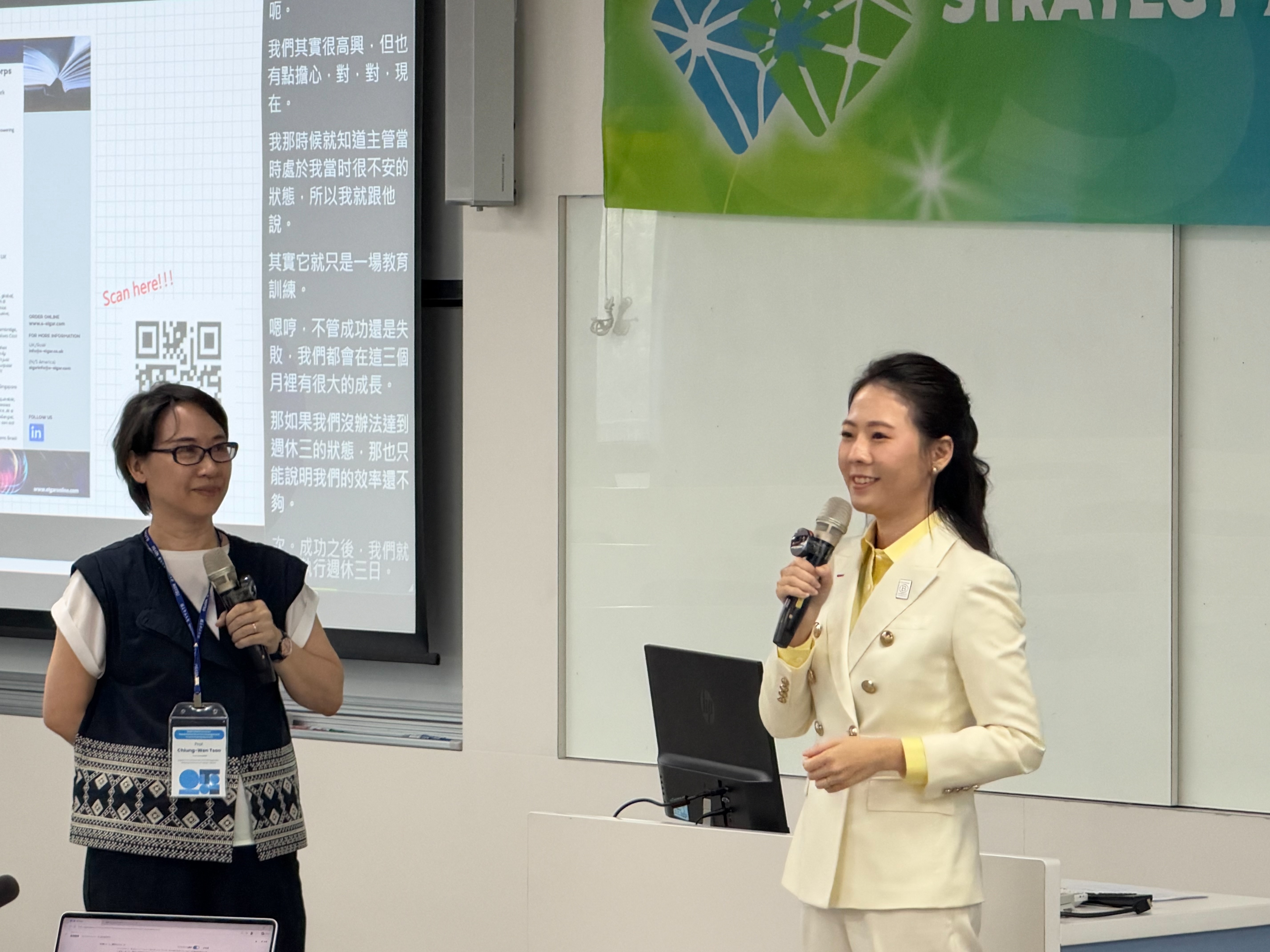
Panel Discussion: Many Generations, Many Voices
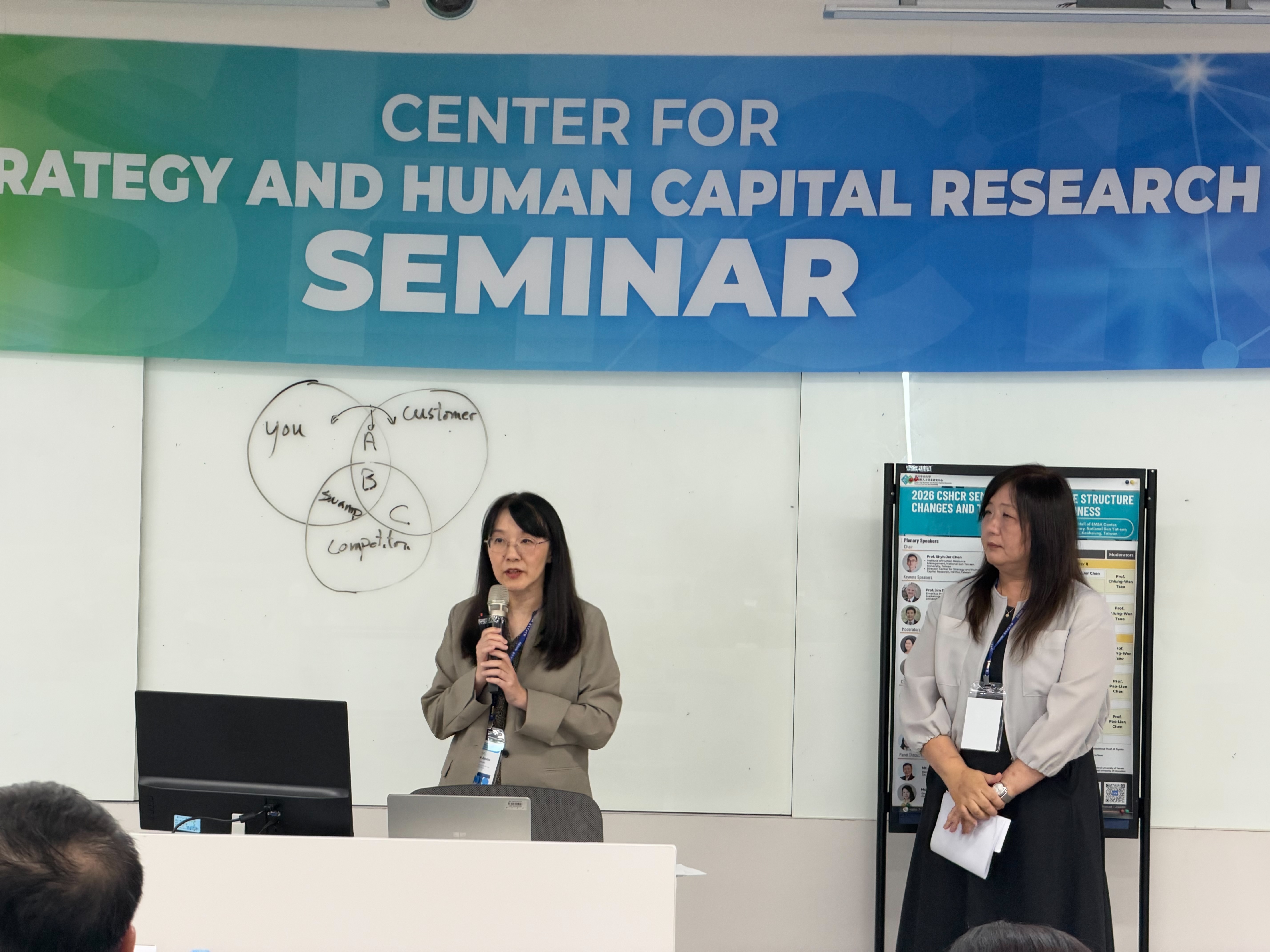
The closing panel brought the seminar’s themes into a lively exchange. Moderated by Prof. Pao-Lien Chen, Co-Director of CSHCR and Professor at NSYSU’s Institute of Human Resource Management, it brought both keynote speakers together with Mr. Louis Tsai, Executive Director of GREENMAX, alongside his son and daughter, and Ms. Hsiang-Lei Jan, Executive Director of Chia Pang Plastics.
What set the exchange apart was the range of voices: scholars from four countries, members of family businesses spanning several generations, and women and men speaking from different positions in their families and firms.
The conversation kept returning to the seminar’s two central themes. How should a family define membership and participation when in-laws, daughters, and step-relatives all have a stake? How can a successor build trust with senior relatives and long-serving employees? And when trust is damaged, how can governance structures support repair, and what requires direct interpersonal effort?
The mix of perspectives showed how closely governance and trust are woven into everyday relationships and business decisions. For family firms, these questions become especially consequential as responsibility passes from one generation to the next.

Renewing Governance and Trust as Families Change
Across both days, one message came through clearly: family firms need governance arrangements grounded in the families they actually have, and trust must be sustained through continuing interaction and action. As family structures, members’ roles, and business conditions evolve, the rules and relationships that hold families and firms together must evolve with them.
The seminar closed on a warm note, with the Center thanking all speakers, moderators, and participants for two days of open and generous exchange. In its fourth year, the CSHCR Seminar continued to create opportunities for researchers and business families to learn from one another, while opening new avenues for discussion on governance, succession, and trust.


