
Visiting Long-Established Companies in Tokyo, Japan: Exploring Practical Wisdom in Transformation, Innovation, and Sustainable Management (2026/08/25-08/29)
2026/08/25-08/29
Visiting Long-Established Companies in Tokyo, Japan: Exploring Practical Wisdom in Transformation, Innovation, and Sustainable Management
Japan has long been known as a “nation of long-lived companies,” with many businesses sustaining their operations through decades or even centuries of generational succession while continuing to adapt to rapidly changing market environments. However, in the face of population decline, labor shortages, advances in digital technology, and changes in industrial structures, the challenges confronting long-established companies are no longer simply about how to “preserve the status quo.” Instead, they must rethink their existing resources, core values, and business models to discover new ways of continuously creating value.
To gain a deeper understanding of how Japanese long-established companies respond to environmental changes and pursue corporate transformation and sustainable management, the Center for Strategy and Human Capital Research at National Sun Yat-sen University organized the “2026 Tokyo Evergreen Family Business Delegation Visit” from August 25 to 29, 2026. The delegation visited companies in Tokyo, Saitama, and Kanagawa, engaging in corporate visits, on-site observations, and exchanges with business managers to gain first-hand insights into Japanese practices in governance transformation, family succession, talent utilization, digital transformation, and smart logistics.
The delegation visited four representative long-established Japanese companies—Seibu Group, Fueki Syoyu Brewing (Kinbue), Mitsubishi Shokuhin’s Kawasaki Yako SDC, and Yamato Transport Haneda Chronogate—spanning industries including transportation, real estate, tourism and leisure, traditional food manufacturing, food logistics, and parcel delivery. Through these visits, the delegation explored how different types of companies maintain their core values while responding to changes in the market and broader social environment through capital recycling, the experience economy, family succession, automation, and human–machine collaboration.
Resource Reconfiguration and Innovation in Succession
Seibu Group: From Asset Holding to Capital Recycling
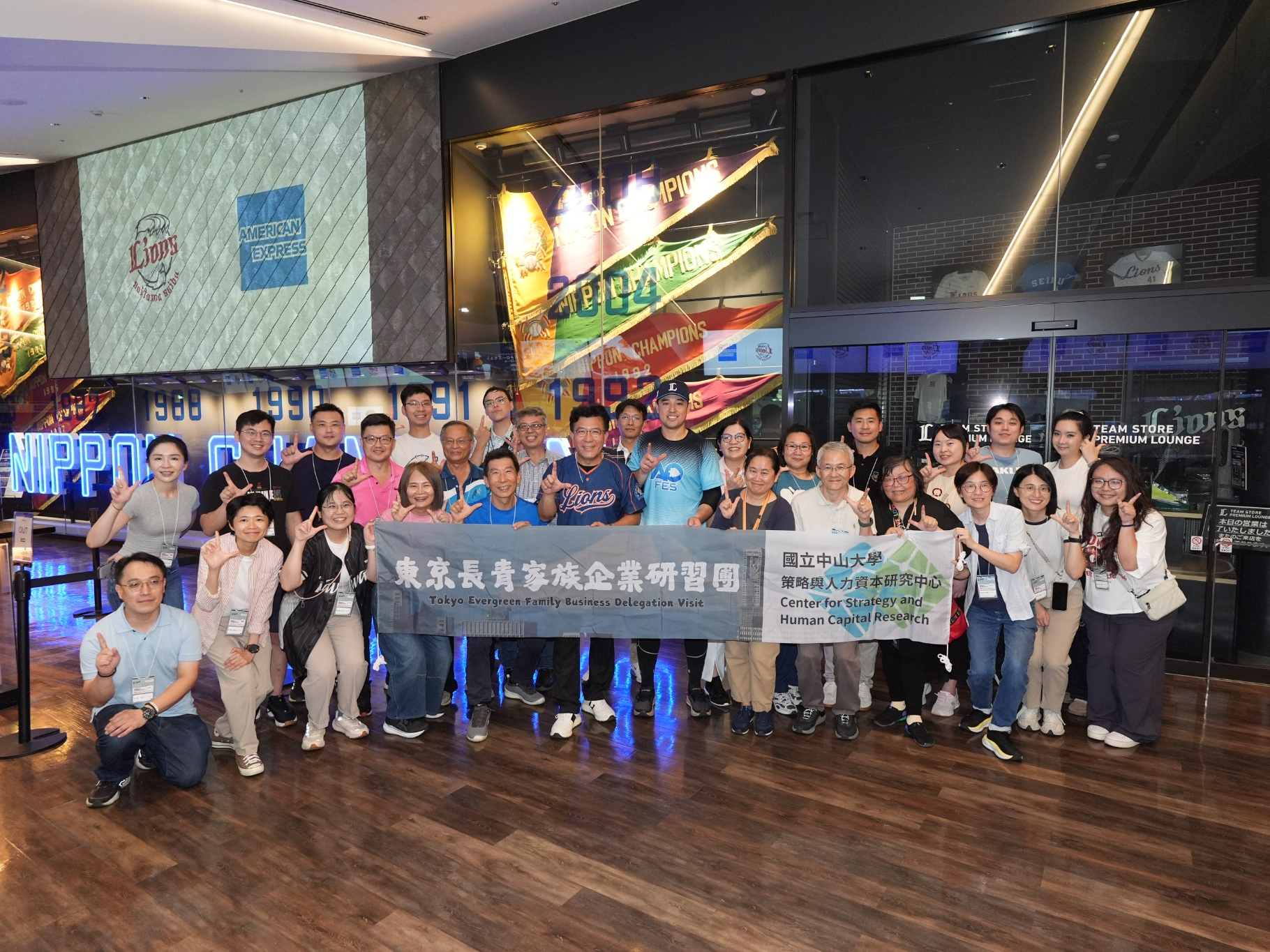
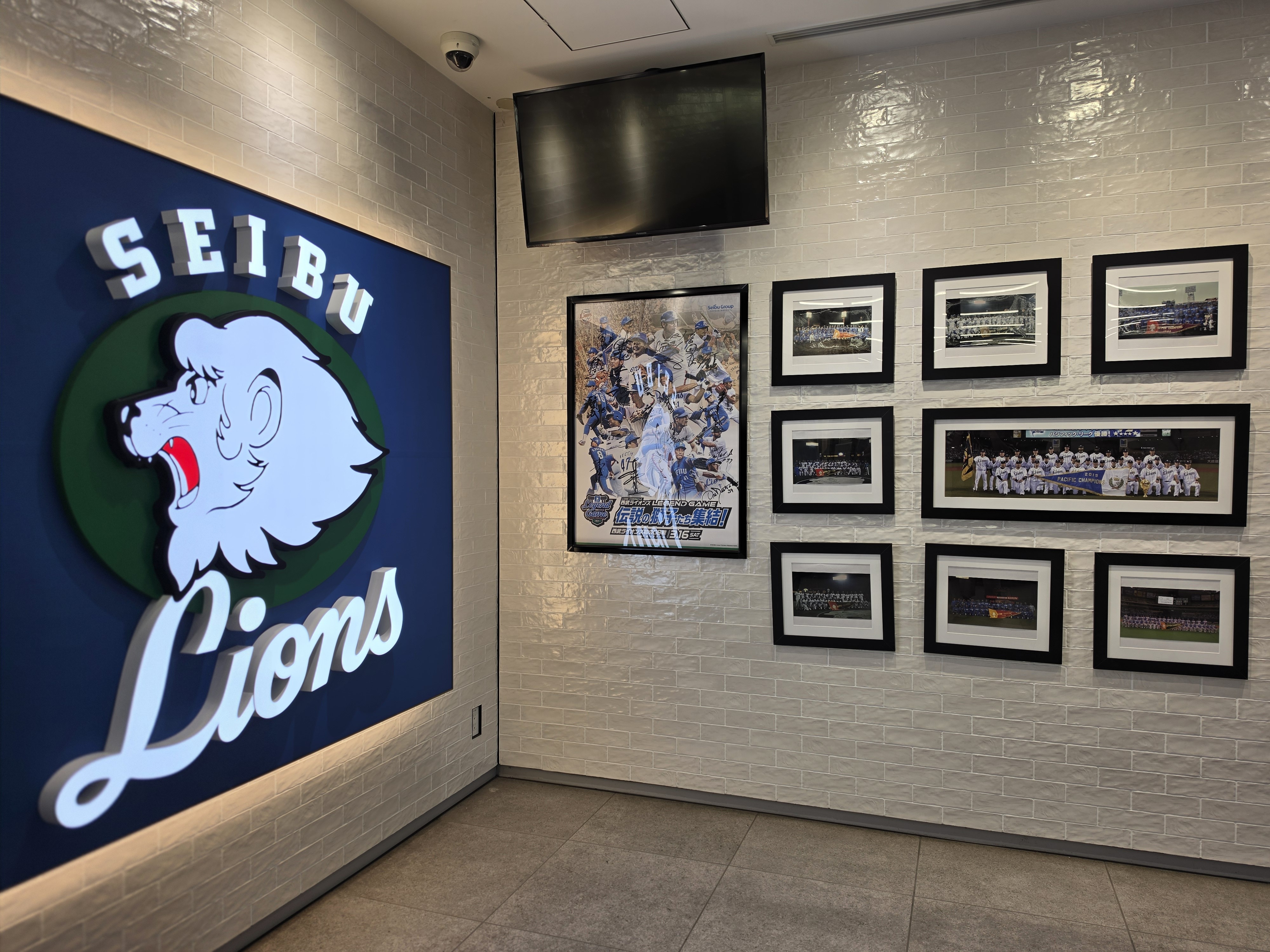
The first stop was Seibu Group, which initially built its business on railway operations and land development before gradually expanding into residential development, commercial facilities, hotels, leisure and entertainment, and professional sports. This diversified business portfolio has created a model in which railways connect people and communities along its routes, while different businesses work together to generate regional value. In response to past governance challenges and changes in the market environment, Seibu has gradually shifted its management strategy from long-term asset ownership toward “Capital Recycling,” releasing capital through asset development, value enhancement, and divestment, and then reinvesting it in new growth businesses to reconfigure corporate resources. During the visit, the delegation also visited Belluna Dome and the Saitama Seibu Lions, observing how professional sports connect railways, commercial activities, dining, and local consumption, serving as an important platform for group branding and regional development. The visit demonstrated how a large corporation can continuously create new business value through cross-business integration and resource recycling.
Fueki Syoyu Brewing (Kinbue): Bringing Traditional Craftsmanship to the Next Generation
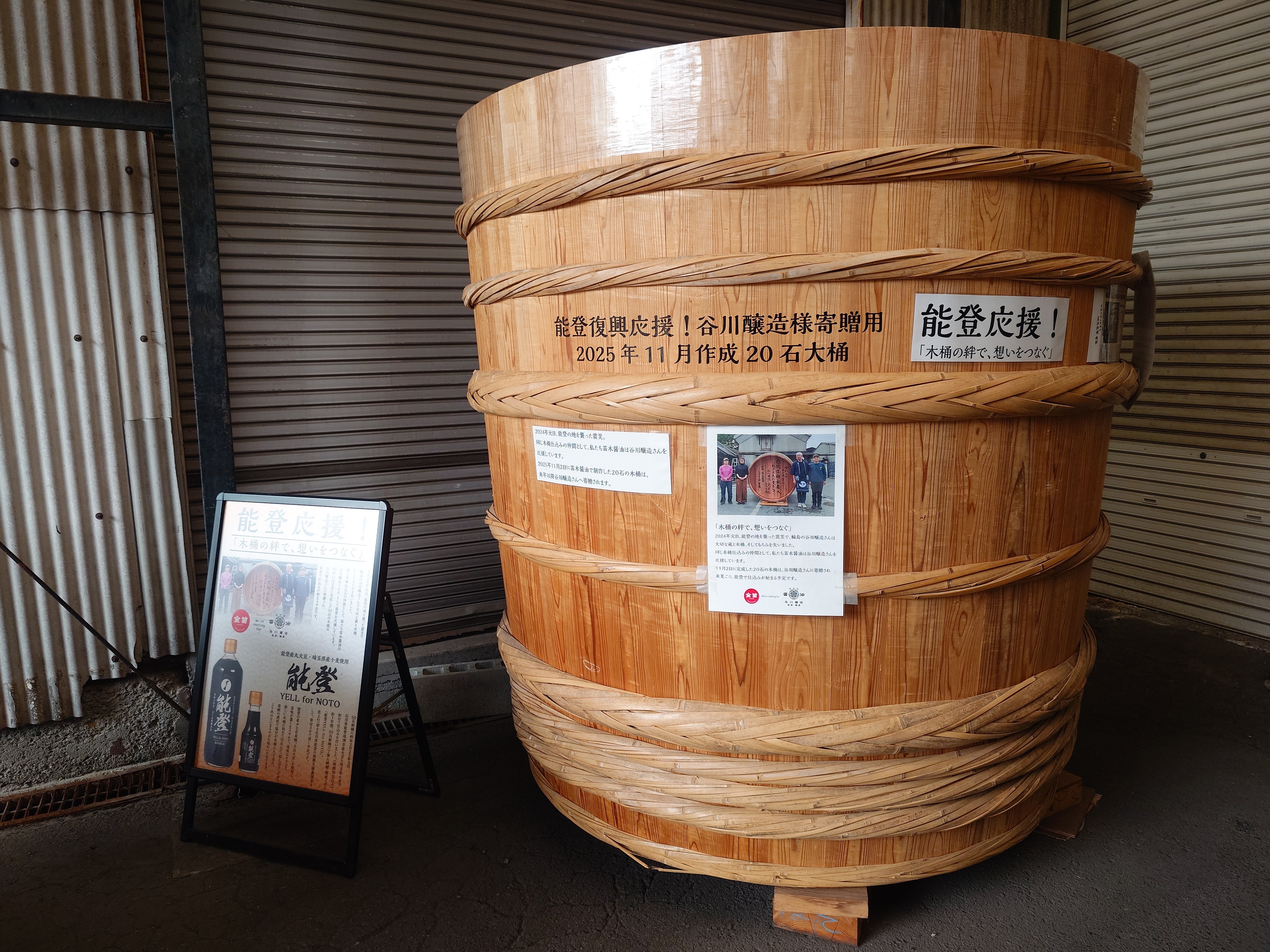
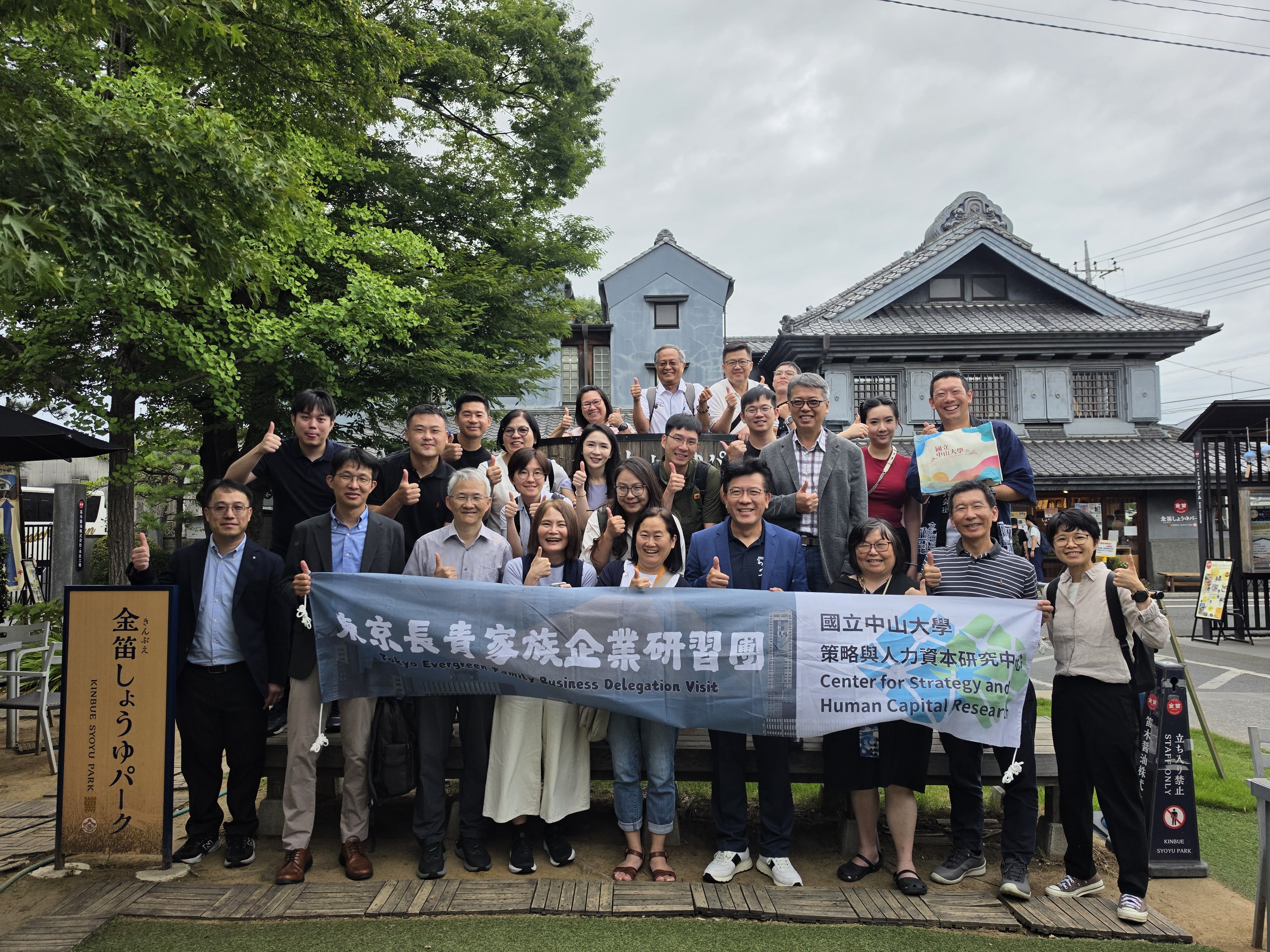
With a history of more than two centuries, Kinbue is a representative traditional Japanese family business that has long remained committed to natural brewing and traditional wooden-barrel fermentation. Facing challenges including a shrinking soy sauce market, the transmission of traditional techniques, and succession, the company has chosen not to compete with large manufacturers on scale. Instead, it continues to deepen its core craftsmanship while exploring new possibilities through brand differentiation, local engagement, and the experience economy. Established in 2019, Kinbue Shoyu Park combines traditional soy sauce production with factory tours, dining, and consumer experiences, transforming the brewing culture embedded in the production process into a brand value that consumers can directly experience. At the same time, the company has promoted the revival of traditional wooden barrels and initiatives to preserve traditional craftsmanship over the long term, exploring how these skills can continue into the next generation. Its approach demonstrates the management wisdom of a family business seeking a balance between succession and innovation.
Smart Logistics and Workforce Transformation
Mitsubishi Foods: Addressing Labor Shortages through Smart Logistics
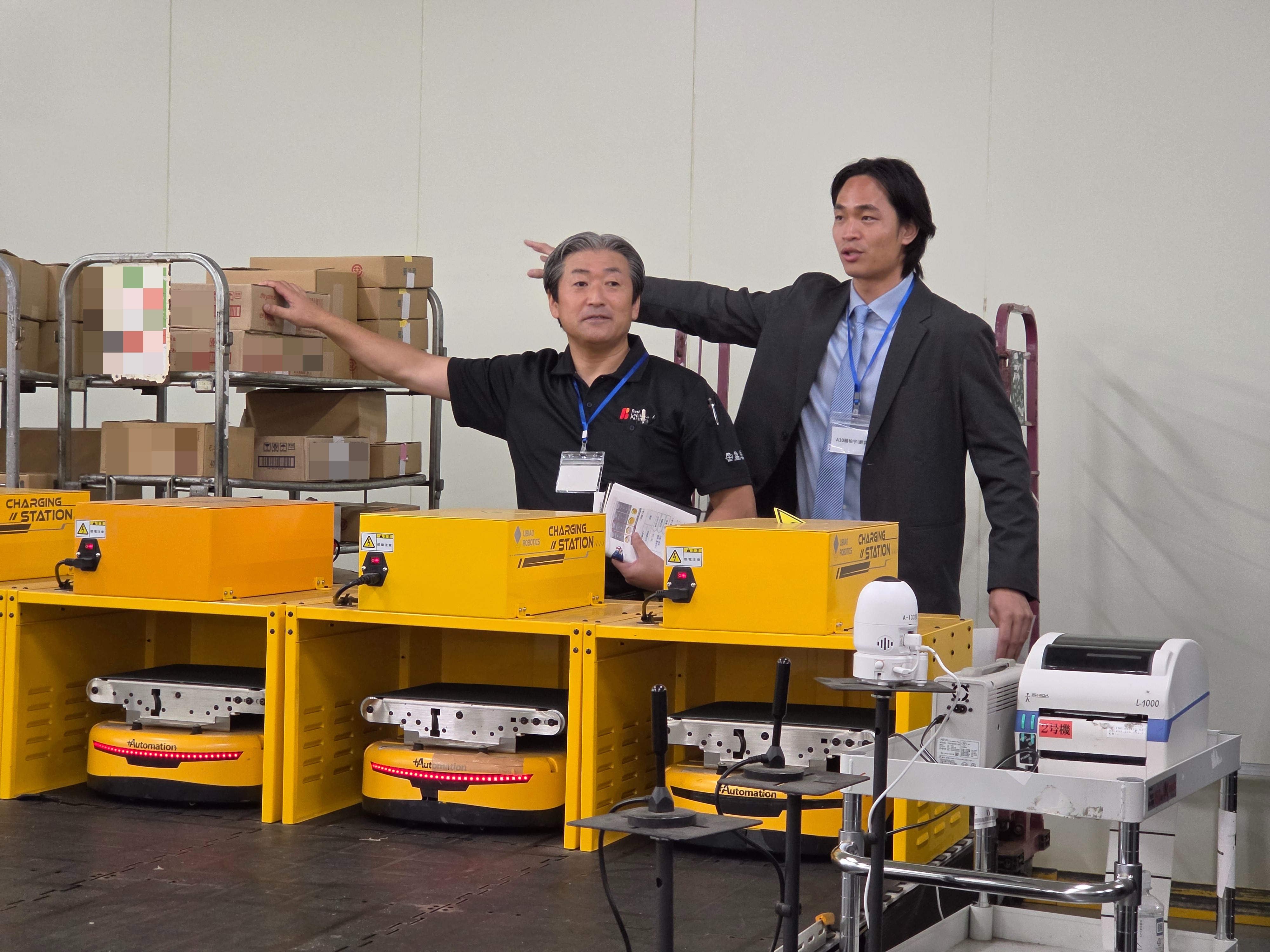
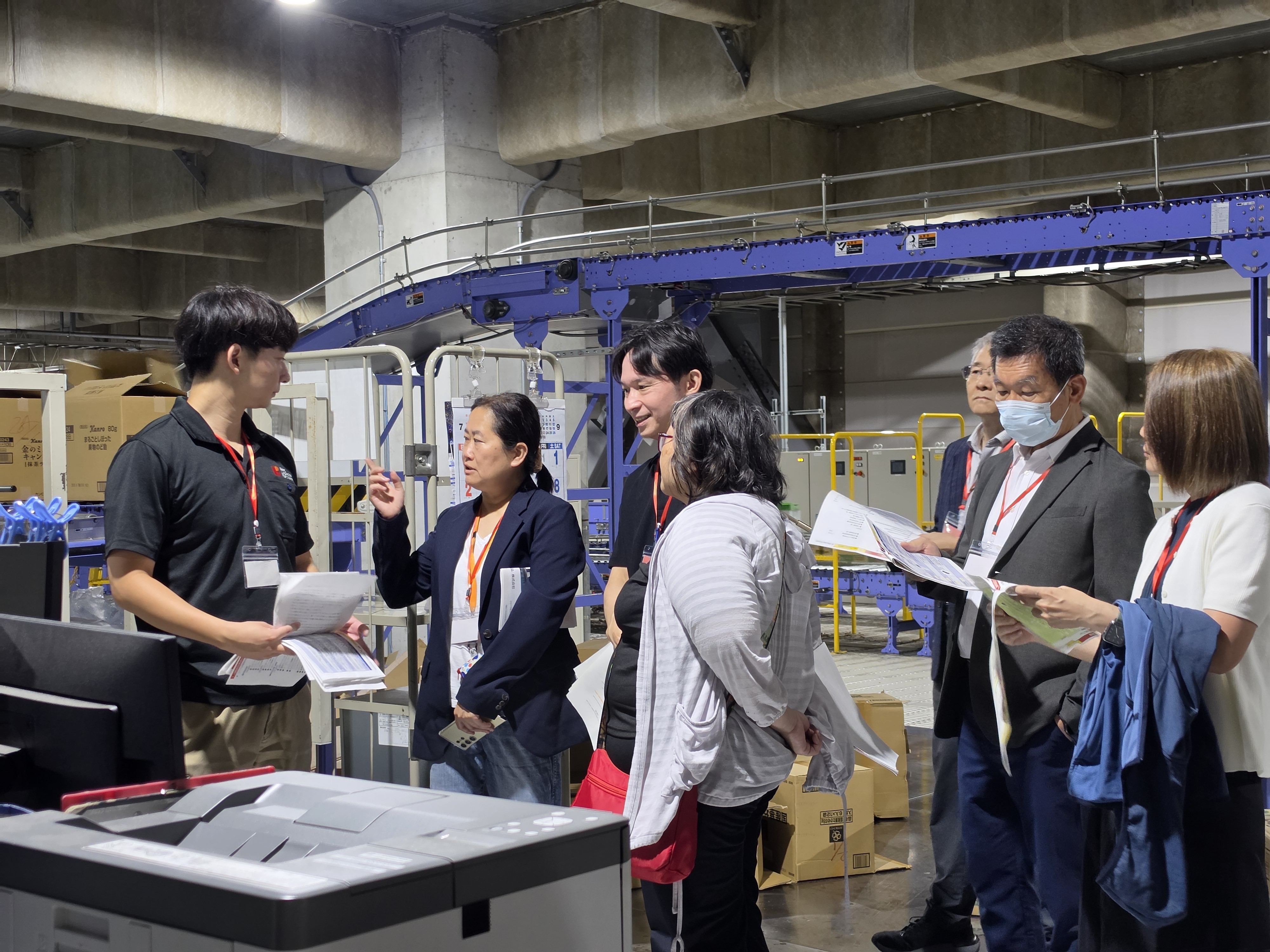
Mitsubishi Shokuhin’s Kawasaki Yako SDC is a large-scale food logistics center responsible for receiving, storing, picking, sorting by store, and shipping products. To meet the requirements of ambient, chilled, and frozen logistics, the center has introduced automated equipment and logistics DX technologies. During the visit, particular attention was given to how automated systems such as t-Sort are applied to low-temperature logistics and product sorting. AGVs handle large volumes of repetitive transportation and sorting tasks, while employees focus on product verification, loading, exception handling, and management. In response to the increasingly severe labor shortage in Japan’s logistics industry, Mitsubishi Foods does not simply seek to replace human labor with machines. Instead, it rethinks the nature of work and the allocation of human resources, using human–machine collaboration to improve logistics efficiency. Digital technology thus becomes an important tool for responding to demographic and workforce changes.
Yamato Transport (Haneda Chronogate): From “Delivery” to “Value Creation”
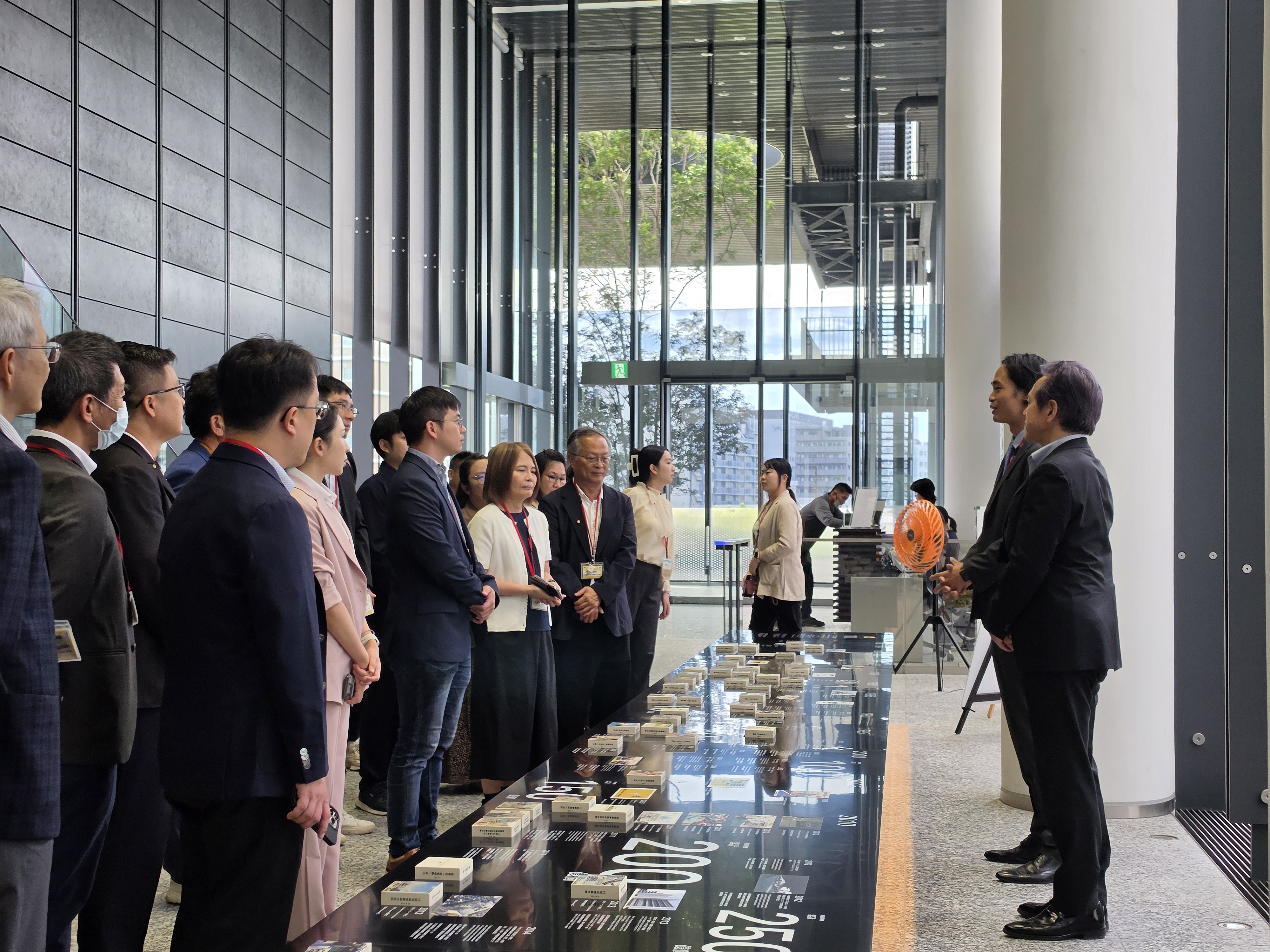
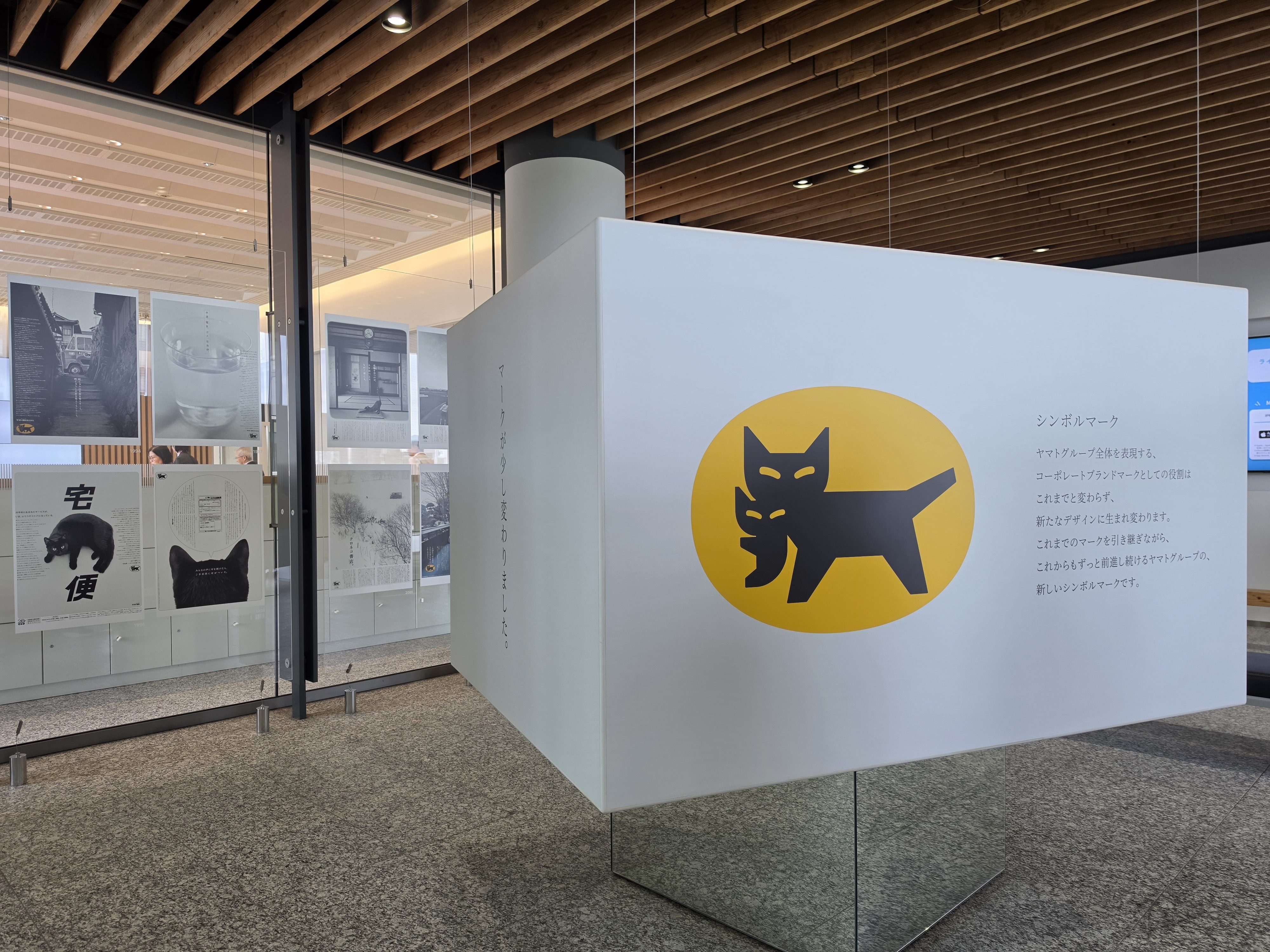
Yamato Transport evolved from traditional freight services into the parcel delivery business and has continuously pursued logistics innovation with customer needs at its core. During the visit to Haneda Chronogate, the delegation gained a deeper understanding of its “Value Networking” concept. Beyond high-speed automated sorting, the facility integrates functions such as bonded logistics, labeling, repackaging, repair, parts assembly, and printing and packaging into its logistics operations, enabling work that was previously dispersed across different stages of the supply chain to be completed within the logistics process itself. In response to the growth of e-commerce, changing logistics demands, and labor shortages, Yamato is no longer focused solely on “delivering goods.” Instead, it seeks to create greater added value through logistics while continuing to invest in automation, delivery robots, and other emerging technologies. In this way, the company is moving from traditional parcel delivery toward a new stage of smart logistics and value creation.
Succession, Transformation, and People-Centered Management: Insights into Sustainable Management from Long-Established Japanese Companies
The “2026 Tokyo Evergreen Family Business Delegation Visit” visited four representative time-honored Japanese companies, providing valuable insights into the key to long-term corporate sustainability. Their success lies not simply in maintaining existing products and management practices, but in continuously rethinking their core values and resource allocation in response to environmental changes. From Seibu Group’s reconfiguration of assets through capital recycling and Fueki Syoyu Brewing’s efforts to sustain its family business through the experience economy and traditional craftsmanship, to Mitsubishi Foods and Yamato Transport’s use of automation and smart logistics to respond to labor shortages and industrial changes, all four companies operate in different industries and face different challenges, yet they share the ability to find a new balance between “preservation” and “transformation.”
The visit also provided a deeper understanding that the key to corporate transformation lies not only in the adoption of technology, but also in the reconfiguration of strategy, resources, and talent. In response to demographic changes and labor shortages, companies need to rethink the nature of work and how human resources are utilized. As markets and industries evolve rapidly, they must also reassess existing assets, core capabilities, and business models. The practical experiences of these long-established Japanese companies offer valuable lessons for Taiwanese businesses in sustainable management, transformation and upgrading, and generational succession, while also providing valuable first-hand insights for management education, business research, and industry–academia exchange.
